

The Nervous System Revolution Is Quietly Happening in Your Ear
On a foggy Thursday morning, just before a high-stakes investor call, I clipped a strange device to my ear. Mild tingling followed. Within minutes, my heart rate slowed, my shoulders dropped, and the fog of anxiety lifted a little. Placebo? Possibly. But my wearable said my heart rate variability (HRV) was up 18%.
This wasn’t a scene from a sci-fi lab or meditation retreat. It was my living room. And I was testing a technology built to stimulate the most underappreciated nerve in your body: the vagus nerve.
What Is the Vagus Nerve — and Why Is It Suddenly Everywhere?
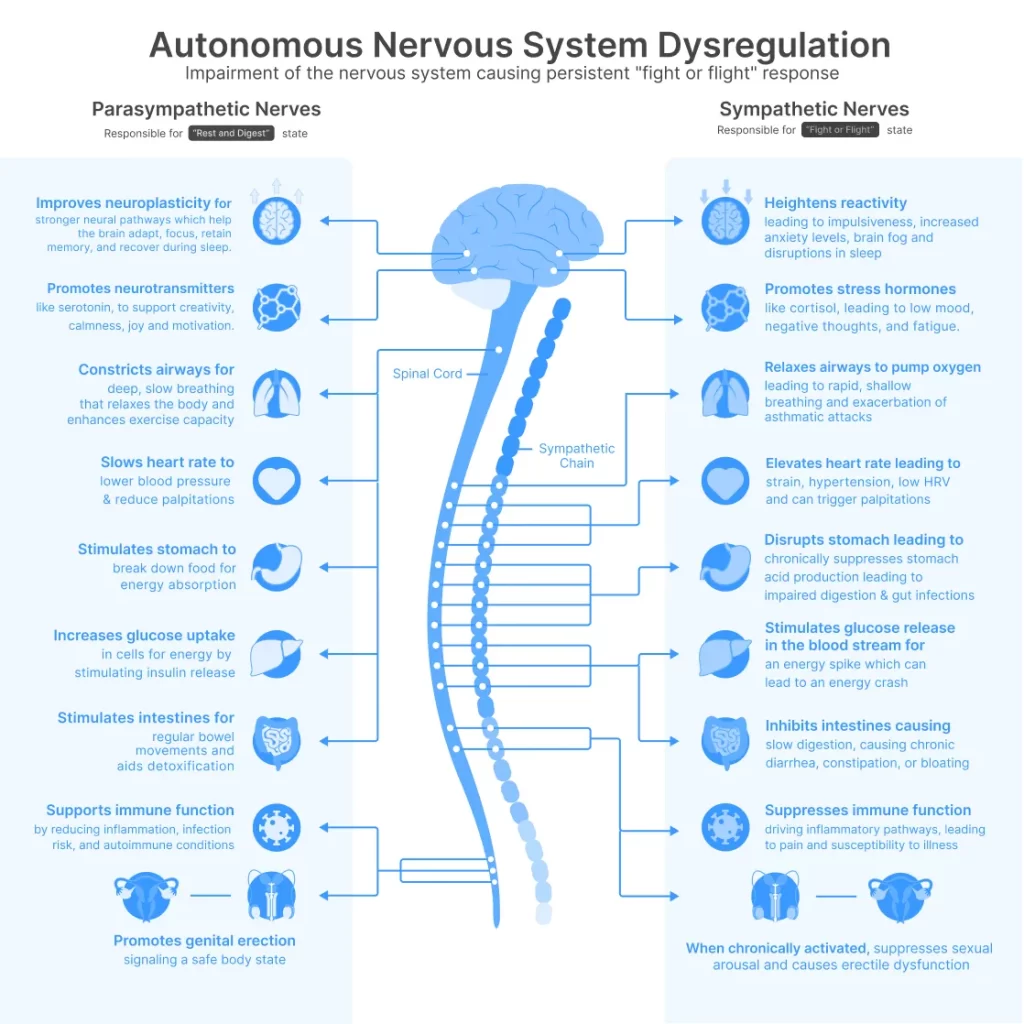
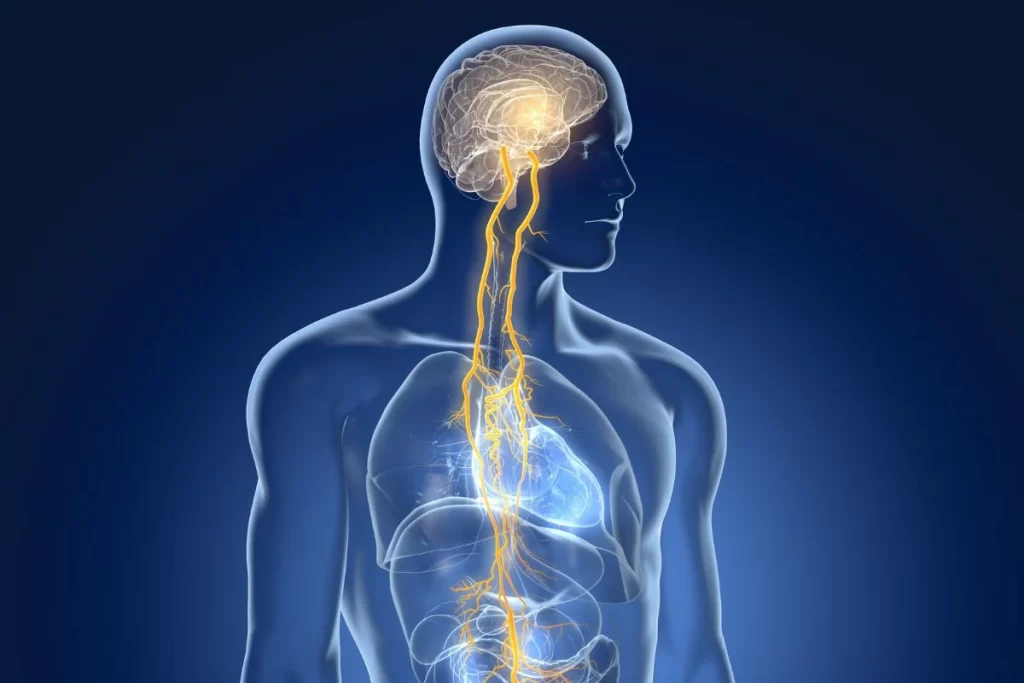
The vagus nerve, also known as cranial nerve X, is a 24/7 two-way hotline between your brain and nearly every major organ: heart, lungs, gut, liver. It plays a starring role in the parasympathetic nervous system — the body’s “rest and digest” counterpart to “fight or flight.”
Lately, it has become a buzzword. Biohackers want to stimulate it for better focus and recovery. Therapists cite it when treating trauma. TikTok is bursting with “vagus hacks” — deep breathing, cold showers, humming.
The promise? That stimulating this nerve might relieve anxiety, soothe inflammation, regulate digestion, improve sleep, even boost brain performance.
But is it hype or science?
The Promise and the Hype: Can You Really Stimulate a Nerve to Heal?
The vagus nerve doesn’t just calm your heartbeat or help you digest. It modulates inflammation, regulates mood, and maintains the gut-brain connection. No wonder people are trying to “hack” it.
Popular techniques like deep breathing or cold exposure can increase vagal tone. But results are inconsistent and difficult to measure. “They can work,” says Dr. Sophie Allman, a clinical neuroscientist, “but they’re not precise, and they require discipline and time.”
That inconsistency has led to a surge of interest in non-invasive vagus nerve stimulation (nVNS) — using low-level electrical currents, delivered through the skin, to directly activate the nerve.
The Science Behind Vagus Nerve Stimulation
VNS isn’t new. Since the 1990s, implantable devices have helped epilepsy and depression patients by zapping the vagus nerve in the neck. But they require surgery and cost tens of thousands.
Enter transcutaneous auricular VNS (taVNS). Scientists discovered a branch of the vagus nerve runs close to the surface of the outer ear. That meant stimulation could happen without surgery.
Clinical studies using taVNS have confirmed its potential:
-
- One randomized controlled trial showed a 35% reduction in anxiety, 19% improvement in sleep quality, and 45% improvement in chronic fatigue after just a few weeks of use. ²
-
- Another study documented significant improvements in heart rate variability and autonomic balance following regular taVNS sessions.¹
-
- Additional peer-reviewed evidence confirms increased parasympathetic tone, reduced inflammatory markers, and improved overall nervous system regulation.³

How to Choose a Vagus Nerve Stimulation Device
Once you understand the basics of how non-invasive vagus nerve stimulation works (including ear-based approaches often called taVNS), the next challenge is practical: devices are not all built the same, and many “vagus” products lean on broad promises instead of clear evidence that they meaningfully engage vagal pathways.
Before you look at the comparison table, use this quick checklist to evaluate options on the fundamentals:
1) Evidence that it actually targets the vagus nerve
Prioritize devices that have peer-reviewed, well-controlled studies on the specific device itself (not just generic vagus nerve stimulation research). Stronger study designs help separate real effects from expectation and placebo.
2) Target site and method
Not all devices stimulate the same place or in the same way. Consider:
-
Target location: ear (auricular) vs neck (cervical) vs “indirect” locations
-
Delivery method: electrical impulses vs vibration (not equivalent approaches)
3) Safety profile and constraints
Check for certifications/medical-device status where applicable, known contraindications, and documented adverse events. If a device is prescription-only, factor in the clinical pathway and ongoing costs.
4) Control and usability (what you’ll actually stick with)
Consistency matters. Compare:
-
Intensity/parameter control (fine-tuning can affect comfort and repeatability)
-
Practicality (portability, battery life, app dependency, consumables like gel)
-
Total cost of ownership (device price plus subscriptions/replacements over time)
With that framework in mind, the table below compares four popular devices across evidence, targeting method, usability, and practical trade-offs.
I Was Skeptical, So I Tried It
As a journalist, I’ve seen a lot of pseudoscience. So when I heard about a sleek ear-clip device promising to boost vagal tone and HRV, I rolled my eyes. Still, I was curious.
The device was called Nuropod. It had a CE mark as a medical device (meaning it passed safety and efficacy standards in Europe), and had reportedly been used in research at Imperial College London, Harvard Medical School, and the NHS.
I wore it daily for a month. The process was simple: moisten the ear clips, attach to the tragus of the left ear, press start.
Week one: Not much. A mild tingling sensation.
Week two: I started sleeping better. My resting heart rate dipped. I felt sharper in the afternoons. By week three, I noticed I recovered faster after workouts. My HRV scores — measured by my wearable — consistently rose.
By day 45, something else had shifted. I found myself needing less caffeine. My digestion noticeably improved — including the subtle but telling sign of hearing a stomach rumble after meals. Emotionally, I felt more balanced. Things that would normally irritate me didn’t stick.
By the end of 60 days, I wasn’t just less anxious. I was more resilient. I bounced back quicker after setbacks. I felt more in control of my cognitive energy.
Skepticism faded into interest. Could this little device really be tuning my nervous system?
What Makes This Device Different?
Unlike DIY hacks, Nuropod delivers consistent stimulation with controlled pulse width and intensity. According to Parasym (the company behind it), over 4 million sessions have been completed, with zero serious adverse events reported in studies to date. The device has been studied in over 50 peer-reviewed trials.
Independent researchers have noted up to 61% increase in vagus nerve activity after just 5 minutes , and a corresponding 18% improvement in HRV. ¹
Dr. Elias Quinton, a researcher at the Karolinska Institute, comments: “It’s one of the few neuromodulation devices with real-world safety and early efficacy data. We need more studies, but the results are promising.”
One patient, David (43), shared: “After years of struggling with anxiety and poor sleep, I tried Nuropod not expecting much. Within three weeks, I was falling asleep faster, waking up rested, and my general tension was lower. It’s subtle but powerful.”

The Takeaway: Nervous System Literacy Is Here
What we used to call “stress” is now understood as a full-body neurophysiological state. And the vagus nerve is at the heart of it.
Whether you hum, breathe deeply, or use a device like Nuropod, the message is clear: we can train calm like we train muscles. And for the first time, we might have a way to do it that’s measurable, testable, and surprisingly gentle.
That little nerve in your ear? It might just be the most powerful switch in your health arsenal.
The article does not in any way constitute as medical advice. Please seek consultation with a licensed medical professional before starting any treatment. This website may receive commissions from the links or products mentioned in this article.
Sources:
1. https://www.parasym.co/hrv.html
2.https://www.frontiersin.org/journals/neurology/articles/10.3389/fneur.2024.1393371/full




I used the product and I can attest to it and that I am ever more productive in a day for this really helps alot to it as to how it describes and related can help.
Sounds complex at first but this gives the clarity once read.