

Reviewed by Dr. Saloni Kabra, BHMS
If your brain is constantly racing, yet getting started on a simple task feels like climbing a mountain, you already know how exhausting it is when your executive function is out of balance.
If you’re tired of being told to “just try harder” or “buy a better planner,” this article offers an evidence-informed perspective.
Conventional Strategies – Do They Work?
If you’ve been battling Attention Problems for years, you’ve probably tried it all. The cycle usually looks like this:
- Endless Planners: Buying a new system, using it perfectly for three days, and then abandoning it completely.
- Caffeine Overload: Relying on coffee for a brief burst of focus, only to suffer a heavy mental crash by the afternoon.
- Exhausting Masking: Constantly monitoring your behaviour to avoid overstimulation, leaving you completely drained.
- Pharmacological Options: Managing medication schedules that can be highly effective, though some individuals may experience adverse events such as jitteriness or sleep disruption.
- Talk Therapy: Engaging in cognitive-behavioural therapy or mindfulness practices to improve coping strategies and emotional regulation.
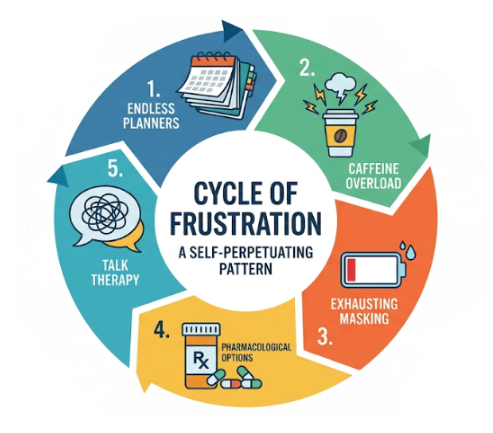
It’s a frustrating loop: you try a new protocol, feel a brief spark of motivation, and then crash. It’s not your fault. These conventional approaches may fall short because they primarily address symptoms rather than underlying neurobiological and regulatory mechanisms.
Emerging research suggests that autonomic nervous system dysregulation may contribute to executive dysfunction in some individuals with Attention Problems.
Some individuals with Attention Problems may experience heightened stress reactivity or autonomic dysregulation, which can contribute to feelings of overwhelm. Your body overreacts to everyday demands, leaving you paralysed by choices and mentally tired. Buying another productivity app, drinking more coffee, or forcing yourself to sit still may not adequately address underlying regulatory challenges. To find real cognitive stability, you need an approach that directly supports and regulates your autonomic balance.
That’s where vagus nerve stimulation comes in.
What is Vagus Nerve Stimulation (And Why Does It Work)?
Your vagus nerve is the main communication highway between your brain and your body. It plays a crucial role in regulating your heart rate, emotions, digestion, and your ability to shift into a calm, focused state (“rest-and-digest” mode).
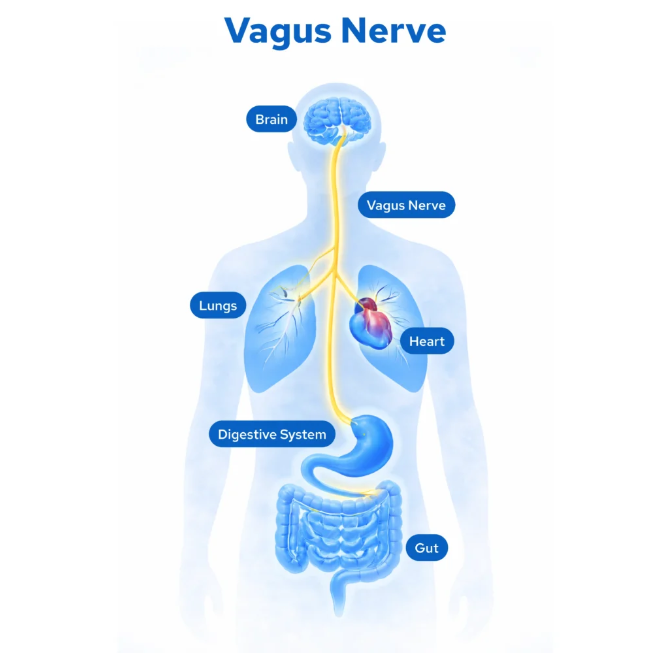
When your vagus nerve isn’t functioning optimally (often referred to as low “vagal tone”), your body may remain in a heightened stress state.
- Your nervous system stays locked in a state of hyperarousal or overwhelm.
- You experience intense brain fog and mental tiredness.
- Your emotional responses and impulses become harder to regulate.
- Your brain is constantly working overtime just to filter out distractions and stay on track.
Vagus nerve stimulation (VNS) uses gentle electrical pulses to activate this nerve, potentially supporting autonomic regulation. It is sometimes compared to resetting an overburdened system.
A New, Non-Invasive Approach to Autonomic Balance
For decades, the options for managing Attention Problems symptoms were mostly limited to rigid behavioural systems, generic coping strategies, or complex pharmacological options. But in recent years, researchers have turned their attention to the vagus nerve as a way to target autonomic dysregulation and stress at its source.
This has led to growing interest in non-invasive vagus nerve stimulation (tVNS) as a potential approach to supporting neurocognitive health. Now available through innovative, ear-worn devices, tVNS represents an emerging approach to supporting brain and body function. These devices use small, comfortable electrodes to deliver mild stimulation to the vagus nerve branch located in your ear. You can use it at home, while reading, working, or simply resting.
While individual responses vary, preliminary evidence suggests that this non-invasive approach may:
- Help support emotional regulation and calm an overactive mind
- Reduce the severity of brain fog and daily mental tiredness
- Improve recovery from sensory or cognitive overload
- Support long-term nervous system resilience and sustained focus
Scientific Validation & Safety Profile
VNS is a well-researched technology that has been studied across a wide range of autonomic, inflammatory, and neurological symptoms. It has been evaluated in university and hospital research settings, including institutions like Yale, Stanford, UCLA, and Imperial College London, with highly encouraging safety and tolerability profiles.
Research suggests that VNS may increase heart rate variability (HRV), a key marker of nervous system health, helping to modulate the overactive autonomic responses that make standing so exhausting.
Importantly for those sensitive to new therapies, VNS is:
- Non-pharmaceutical: No chemical dependency, no drug-induced sluggishness, and no stomach issues.
- Non-invasive: Worn externally on the ear and requiring no surgery or implants.
- Generally well tolerated: Most users just feel a gentle, calming tingling sensation during a session.
Discover Nuropod: The Natural Path to Autonomic Balance
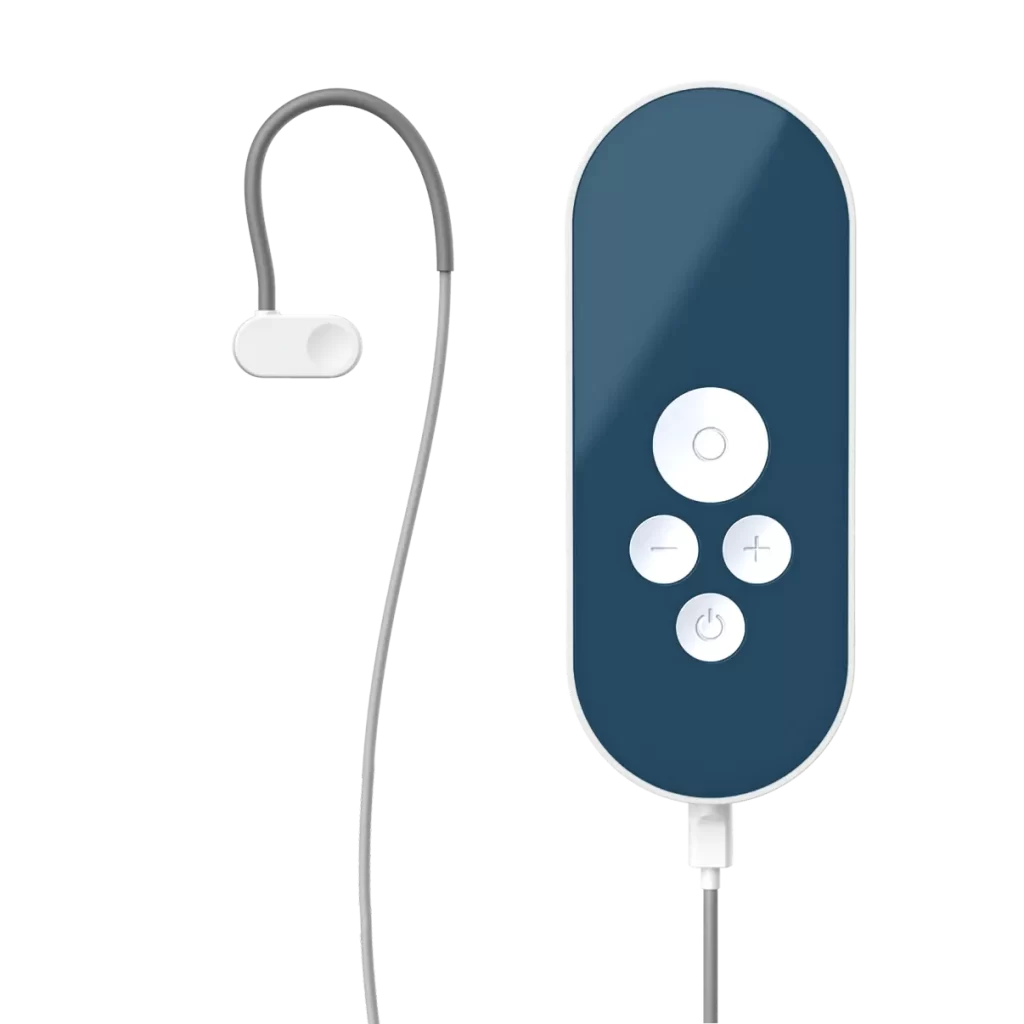
Nuropod offers a scientifically studied, drug-free approach to restore energy and stability by targeting your vagus nerve through auricular stimulation.
Why Nuropod Works:
Evidence indicates taVNS can dampen stress-hormone reactivity, modulate autonomic balance, and improve sleep. Pilot studies in post-viral fatigue and Long-COVID cohorts also report encouraging improvements, with larger clinical trials underway.

Instant ANS reset
Begin rebalancing within minutes of use.

Scientifically studied
50+ studies exploring autonomic balance, HRV, sleep, fatigue.

Natural & safe
Non-invasive, no drug interactions.
Nuropod is a general wellness product in the EU and is used under FDA “non-significant risk” designations in U.S. studies.
Endorsed by Leading Autonomic & Recovery Specialists

Anthony Kaveh, MD
Anesthesiologist & Medical Director at Clarus Health
"I wanted to know can we help our patients have an even more sustained relief from an out-of-control sympathetic nervous system. I'm happy to say so far the answer has been yes."
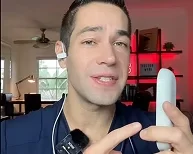
Dr Myro Figura
Anesthesiologist & Chief Medical Officer at HealFast
"(Nuropod) increases the rest and digest side of your nervous system by up to 50% in five minutes and it's a potent reliever for anxious states."

Dr James Gill
Associate Professor at Warwick Medical School & General Practitioner
"I found (publications) with no declared conflict of interest by Leeds University. They demonstrated reduced sympathetic nerve activity. Personally, (with Nuropod) my HRV increased from 40s to 69."

Dr Mikolaj Raszek
Researcher at Merogenomics
"Based on the evidence coming out, it looks as if these devices... appear to be helping big time in terms of Post-Viral Fatigue."
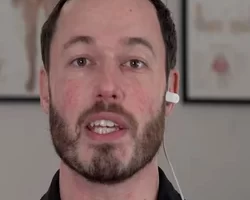
Ashley Ridout
Osteopath & Educator
"I tried this on two patients: a 45-year-old male with chronic neck pain reported better and deeper sleep... A 30-year-old female with headaches noticed improved sleep and reduced pain."

Bryan Johnson
Founder of Braintree, Project Blueprint
"HRV is a pretty significant biomarker for health. It has a clear association with age... HRV training is keeping me low key, chill and calm."
“From Postural Heart Rate Abnormalities to fewer rough days—take it off for a day and I feel the difference.”
– Nuropod user
“After post-viral dysautonomia, I finally got a foothold out of exhaustion.”
– Sarit
“Constant crashes turned into steadier days. The improvement was immediate.”
– Postural Heart Rate Abnormalities sufferer testimonial
Meet The Health Professionals
A practicing doctor of psychiatry, Elisabetta has an MBA from INSEAD Business School, and experience in direct patient care, neuroscience research, communication and management. Dr. Burchi is a physician-scientist, working with Parasym in clinical affairs with a track record of publishing in the most important scientific journals such as The Lancet, writing successful grant proposals for the NIH, and leading the production of editorial, clinical, regulatory and promotional material in collaborative multidisciplinary teams. Dr. Burchi has also coordinated clinical trials and implemented a tele-medicine practice which received a certification of excellence among more than 100,000 professionals.

Dr. Elisabetta Burchi, MD, MBA
Translational research lead at Parasym
Take Control of Your Focus and Energy Naturally
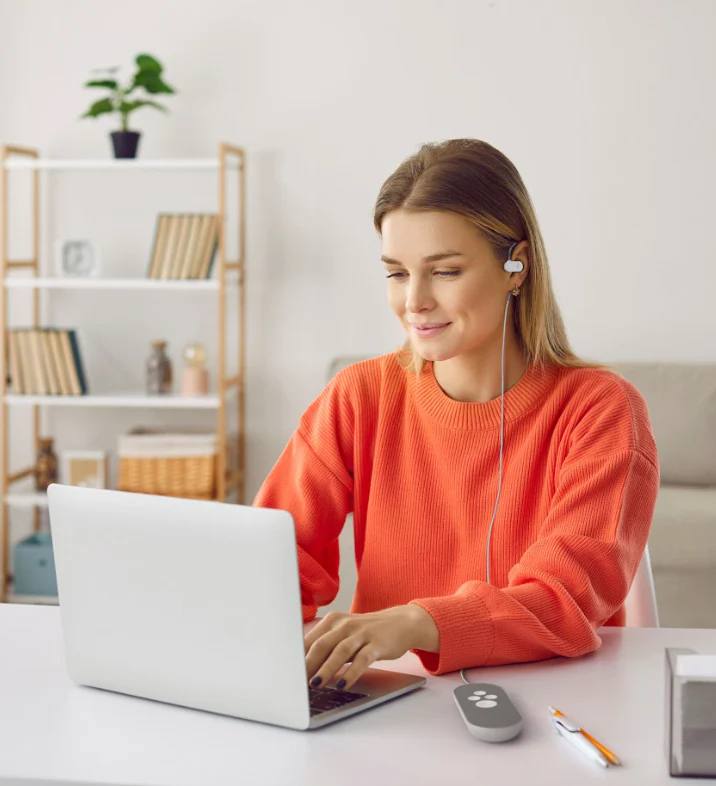
Join thousands who’ve reclaimed their energy naturally.
Participate in the fatigue recovery research study and save 60$ on your Nuropod product.
*Research participation assessment takes less than 3 minutes
50+
Clinical studies referenced
4M+
Sessions delivered
30
Day money back guarantee

certified medical device
Join thousands reclaiming stability and energy.
Participate in our Postural Heart Rate Abnormalities research program and save €70 on your Nuropod product.
*Research participation assessment takes less than 3 minutes
50+
studies referenced
4M+
successful sessions delivered
30
Day money back guarantee

certified medical device
30-Day Money-Back Guarantee
Every Nuropod Kit is backed by a 30-day, full-refund policy if users aren’t satisfied with their progress.
REFERENCES:
- American Psychiatric Association. (2022). Diagnostic and statistical manual of mental disorders (5th ed., text rev.; DSM-5-TR).
- Chang, J. P.-C., & Su, K.-P. (2020). Nutritional neuroscience as mainstream of psychiatry: The evidence-based treatment guidelines for using omega-3 fatty acids as a new treatment for psychiatric disorders in children and adolescents. Nutritional Neuroscience. https://doi.org/10.1080/1028415X.2019.1588315
- Cortese, S. (2020). Pharmacologic treatment of attention deficit–hyperactivity disorder. The New England Journal of Medicine, 383(11), 1050–1056. https://doi.org/10.1056/NEJMra1917069
- Kofler, M. J., Sarver, D. E., Harmon, S. L., Moltisanti, A., Aduen, P. A., Soto, E. F., & Ferretti, N. (2018). Working memory and organizational skills problems in ADHD. Journal of Child Psychology and Psychiatry, 59(1), 57–67. https://doi.org/10.1111/jcpp.12773
- Ramdass, D., & Zimmerman, B. J. (2011). Developing self-regulation skills: The important role of homework. Journal of Advanced Academics, 22(2), 194–218. https://doi.org/10.1177/1932202X1102200202
- Singh, A. S., Saliasi, E., van den Berg, V., Uijtdewilligen, L., de Groot, R. H. M., Jolles, J., Andersen, L. B., Bailey, R., Chang, Y.-K., Diamond, A., Ericsson, I., Etnier, J. L., Fedewa, A. L., Hillman, C. H., McMorris, T., Pesce, C., Pühse, U., Tomporowski, P. D., & Chinapaw, M. J. M. (2019). Effects of physical activity interventions on cognitive and academic performance in children and adolescents: A novel combination of a systematic review and recommendations from an expert panel. British Journal of Sports Medicine, 53(10), 640–647. https://doi.org/10.1136/bjsports-2017-098136
- Tarver, J., Daley, D., & Sayal, K. (2014). Attention-deficit hyperactivity disorder (ADHD): An updated review of the essential facts. Child: Care, Health and Development, 40(6), 762–774. https://doi.org/10.1111/cch.12139
The article does not in any way constitute as medical advice. Please seek consultation with a licensed medical professional before starting any treatment. This website may receive commissions from the links or products mentioned in this article.
Reviewed by Dr. Saloni Kabra, BHMS
Share via:




We need to be sensitive in what we say and do and must never put ourselves in level with how others tend to face and their personal strength on a certain problem
Yes and that for personal care to be of priority for the self inorder to have no confusion and gap on the enegy