

Discover the Nervous System Self-Assessment and learn if your energy regulation system needs support


Your Mind is Constantly Racing, Yet You Struggle to Focus
Ask yourself
- Do you read the same page repeatedly but absorb nothing?
- Do you start multiple projects with enthusiasm, but struggle to finish even one?
- Does your brain feel like a web browser with 100 open tabs?
If you answered yes, your brain’s dopamine pathways and autonomic nervous system may not be regulating attention optimally.
Physiological Mechanisms:
- Dopamine dysregulation: The brain’s reward system struggles to maintain baseline stimulation, making routine or mundane tasks feel almost physically impossible to engage with.
- Prefrontal cortex underactivity: The area of the brain responsible for sustaining attention, planning, and organising isn’t firing optimally.
- Autonomic hyperarousal: When overstimulated, the nervous system shifts into a mild "fight-or-flight" state, scattering your focus and making you easily distracted.
Emerging research suggests that neuromodulation techniques, such as transcutaneous auricular vagus nerve stimulation (taVNS), may influence brain networks involved in attention and working memory, potentially supporting sustained focus.


You Experience “Task Paralysis” Even When You Deeply Want to Work
Ask yourself
- Do you sit at your desk knowing exactly what to do, but simply cannot initiate the task?
- Does organising your day feel more exhausting than the actual work itself?
- Do you rely on the last-minute panic of a deadline to finally get things done?
Physiological Mechanisms:
- Impaired initiation signals: There may be a neurological disconnect between knowing what needs to be done and generating the internal drive required to initiate action.
- Working memory deficits:Holding multiple steps or instructions in mind becomes overwhelming, leading to a cognitive freeze response.
- Nervous system overwhelm: The body perceives the heavy cognitive load as a threat, triggering an involuntary avoidance response.
Preliminary studies suggest that targeted nerve stimulation may help regulate the autonomic response, potentially reducing the “freeze” states and supporting smoother task initiation.


Your Emotions Feel Overwhelming and Hard to “Switch Off”
Ask yourself
- Do minor criticisms or perceived rejections ruin your entire day?
- Do you experience intense, sudden waves of frustration over small inconveniences?
- Does it take you much longer to calm down than the people around you?
Physiological Mechanisms:
- Amygdala reactivity: The brain’s emotional centre is highly sensitive in many neurodivergent individuals, quickly triggering an alarm state.
- Reduced vagal tone: The vagus nerve (the body’s "brake pedal") may be less effective at slowing emotional responses and lowering heart rate once distress begins.
- Sympathetic surge: Emotional overwhelm quickly translates into physical fight-or-flight symptoms, such as muscle tension or a racing heart.
Research suggests that taVNS may improve heart rate variability (HRV), a key marker of emotional regulation and the nervous system’s ability to return to a calm baseline.

You Feel a Constant Inner Restlessness and Need to Fidget
Ask yourself
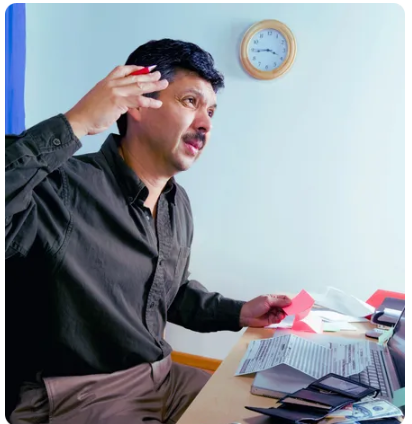
- Do you feel a physical urge to move, tap, or pace when forced to sit still?
- Even when your body is resting, does your mind feel like a running motor?
- Do you find it impossible to "just relax" on the weekend without feeling guilty or anxious?
Physiological Mechanisms:
- Chronic sympathetic overdrive: The nervous system is stuck in an active, "on" state, constantly seeking external stimulation.
- Motor cortex hyperactivity: The brain may seek physical movement to enhance stimulation and support neurotransmitter activity, including dopamine.
- Reduced parasympathetic tone: The "rest-and-digest" system is underactive, making true physical and mental relaxation feel unnatural.
Vagus nerve stimulation is being studied for its potential to dampen sympathetic overdrive, helping the body and mind find a calmer, more grounded resting state.


You Are Wired at Night, Yet Exhausted During the Day
Ask yourself
- Do you intentionally stay up late because it’s the only quiet time your brain gets (revenge bedtime procrastination)?
- Does your mind suddenly "wake up" the moment your head hits the pillow?
- Do you wake up feeling unrefreshed, no matter how many hours you slept?
Physiological Mechanisms:
- Delayed circadian rhythm: The neurodivergent brain often has a naturally shifted sleep-wake cycle.
- Nighttime hyperarousal: The autonomic nervous system fails to switch into deep parasympathetic recovery at night, keeping you alert.
- Cortisol imbalance: Stress hormones remain elevated in the evening instead of naturally tapering off to prepare for sleep
In scientific studies, taVNS has shown potential in supporting deeper, more restorative sleep by enhancing parasympathetic (calming) activity before bed.


You Crash from Severe Burnout After “Masking” All Day
Ask yourself
- Does socialising, maintaining eye contact, or sitting in meetings leave you feeling completely depleted?
- Do you spend your weekends recovering from the sensory and cognitive load of the workweek?
- Do you frequently hit a wall where your brain simply refuses to process any more information?
Physiological Mechanisms:
- Cognitive overload: Constantly filtering out distractions and "masking" Attention Problems traits requires massive amounts of metabolic energy.
- Sensory processing tiredness: The nervous system works overtime to manage bright lights, background noises, and social cues.
- Allostatic load: Chronic stress associated with managing neurodivergence may deplete physiological and psychological reserves over time.
Vagal pathways help regulate both gut and immune balance; taVNS is being studied for potential benefits in motility and immune signaling.
The Missing Link: Traditional Advice Often Overlooks
Here’s what connects all 6 of these experiences: your vagus nerve plays a crucial role in regulating many of these processes.
- It calms a racing mind, helping you focus for longer.
- It stops the "freeze" feeling so that you can start tasks much more easily.
- It slows down intense emotions to stop sudden anger or frustration.
- It lowers your stress levels to stop that restless, hyper feeling inside.
- It helps regulate your sleep rhythm by calming your brain at night.
- It gives you more mental energy to recover faster from sensory overload and "masking."
These findings support the vagus nerve as a central switchboard for recovery. Non-invasive stimulation is actively being studied as a way to help restore this control system.
Discover Nuropod: The Natural Path to Autonomic Balance
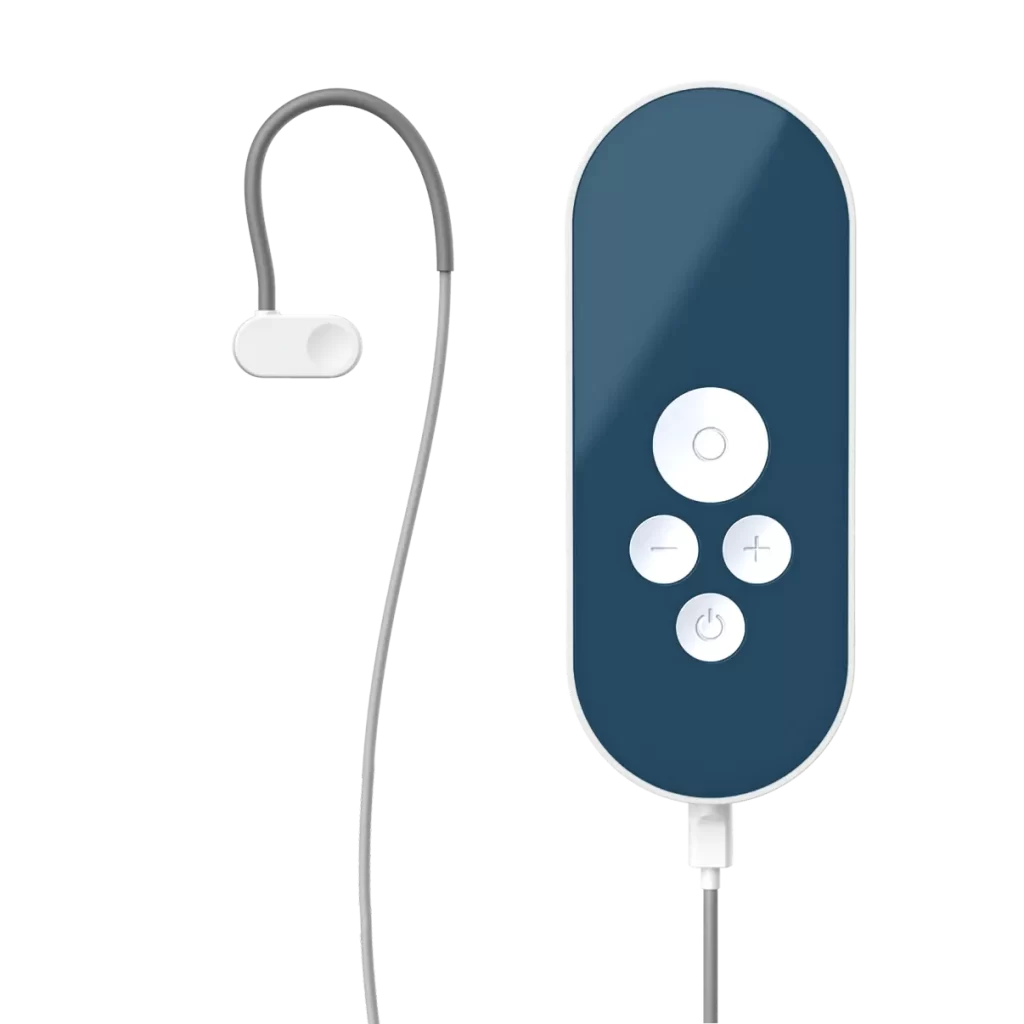
Nuropod offers a scientifically studied, drug-free approach to restore energy and stability by targeting your vagus nerve through auricular stimulation.
Why Nuropod Works:
Evidence indicates taVNS can dampen stress-hormone reactivity, modulate autonomic balance, and improve sleep. Pilot studies in post-viral fatigue and Long-COVID cohorts also report encouraging improvements, with larger clinical trials underway.

Instant ANS reset
Begin rebalancing within minutes of use.

Scientifically studied
50+ studies exploring autonomic balance, HRV, sleep, fatigue.

Natural & safe
Non-invasive, no drug interactions.
Nuropod is a general wellness product in the EU and is used under FDA “non-significant risk” designations in U.S. studies.
Endorsed by Leading Autonomic & Recovery Specialists

Anthony Kaveh, MD
Anesthesiologist & Medical Director at Clarus Health
"I wanted to know can we help our patients have an even more sustained relief from an out-of-control sympathetic nervous system. I'm happy to say so far the answer has been yes."
Dr Myro Figura
Anesthesiologist & Chief Medical Officer at HealFast
"(Nuropod) increases the rest and digest side of your nervous system by up to 50% in five minutes and it's a potent reliever for anxious states."

Dr James Gill
Associate Professor at Warwick Medical School & General Practitioner
"I found (publications) with no declared conflict of interest by Leeds University. They demonstrated reduced sympathetic nerve activity. Personally, (with Nuropod) my HRV increased from 40s to 69."

Dr Mikolaj Raszek
Researcher at Merogenomics
"Based on the evidence coming out, it looks as if these devices... appear to be helping big time in terms of Post-Viral Fatigue."
Ashley Ridout
Osteopath & Educator
"I tried this on two patients: a 45-year-old male with chronic neck pain reported better and deeper sleep... A 30-year-old female with headaches noticed improved sleep and reduced pain."

Bryan Johnson
Founder of Braintree, Project Blueprint
"HRV is a pretty significant biomarker for health. It has a clear association with age... HRV training is keeping me low key, chill and calm."
Real Results from Real People
“From Postural Heart Rate Abnormalities to fewer rough days—take it off for a day and I feel the difference.”
– Nuropod user
“After post-viral dysautonomia, I finally got a foothold out of exhaustion.”
– Sarit
“Constant crashes turned into steadier days. The improvement was immediate.”
– Postural Heart Rate Abnormalities sufferer testimonial
Meet The Health Professionals
A practicing doctor of psychiatry, Elisabetta has an MBA from INSEAD Business School, and experience in direct patient care, neuroscience research, communication and management. Dr. Burchi is a physician-scientist, working with Parasym in clinical affairs with a track record of publishing in the most important scientific journals such as The Lancet, writing successful grant proposals for the NIH, and leading the production of editorial, clinical, regulatory and promotional material in collaborative multidisciplinary teams. Dr. Burchi has also coordinated clinical trials and implemented a tele-medicine practice which received a certification of excellence among more than 100,000 professionals.

Dr. Elisabetta Burchi, MD, MBA
Translational research lead at Parasym
Take Control of Your Focus and Energy Naturally

Join thousands who’ve reclaimed their energy naturally.
Participate in the fatigue recovery research study and save 60$ on your Nuropod product.
*Research participation assessment takes less than 3 minutes
50+
Clinical studies referenced
4M+
Sessions delivered
30
Day money back guarantee

certified medical device
Join thousands reclaiming stability and energy.
Participate in our Postural Heart Rate Abnormalities research program and save €70 on your Nuropod product.
*Research participation assessment takes less than 3 minutes
50+
studies referenced
4M+
successful sessions delivered
30
Day money back guarantee

certified medical device
30-Day Money-Back Guarantee
Every Nuropod Kit is backed by a 30-day, full-refund policy if users aren’t satisfied with their progress.
REFERENCES:
- American Psychiatric Association. (2022). Diagnostic and statistical manual of mental disorders (5th ed., text rev.; DSM-5-TR).
- Chang, J. P.-C., & Su, K.-P. (2020). Nutritional neuroscience as mainstream of psychiatry: The evidence-based treatment guidelines for using omega-3 fatty acids as a new treatment for psychiatric disorders in children and adolescents. Nutritional Neuroscience. https://doi.org/10.1080/1028415X.2019.1588315
- Cortese, S. (2020). Pharmacologic treatment of attention deficit–hyperactivity disorder. The New England Journal of Medicine, 383(11), 1050–1056. https://doi.org/10.1056/NEJMra1917069
- Kofler, M. J., Sarver, D. E., Harmon, S. L., Moltisanti, A., Aduen, P. A., Soto, E. F., & Ferretti, N. (2018). Working memory and organizational skills problems in ADHD. Journal of Child Psychology and Psychiatry, 59(1), 57–67. https://doi.org/10.1111/jcpp.12773
- Ramdass, D., & Zimmerman, B. J. (2011). Developing self-regulation skills: The important role of homework. Journal of Advanced Academics, 22(2), 194–218. https://doi.org/10.1177/1932202X1102200202
- Singh, A. S., Saliasi, E., van den Berg, V., Uijtdewilligen, L., de Groot, R. H. M., Jolles, J., Andersen, L. B., Bailey, R., Chang, Y.-K., Diamond, A., Ericsson, I., Etnier, J. L., Fedewa, A. L., Hillman, C. H., McMorris, T., Pesce, C., Pühse, U., Tomporowski, P. D., & Chinapaw, M. J. M. (2019). Effects of physical activity interventions on cognitive and academic performance in children and adolescents: A novel combination of a systematic review and recommendations from an expert panel. British Journal of Sports Medicine, 53(10), 640–647. https://doi.org/10.1136/bjsports-2017-098136
- Tarver, J., Daley, D., & Sayal, K. (2014). Attention-deficit hyperactivity disorder (ADHD): An updated review of the essential facts. Child: Care, Health and Development, 40(6), 762–774. https://doi.org/10.1111/cch.12139
The article does not in any way constitute as medical advice. Please seek consultation with a licensed medical professional before starting any treatment. This website may receive commissions from the links or products mentioned in this article.
Share via: