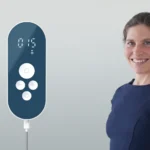
What I discovered after years of looking fine on the outside while feeling constantly switched on inside.
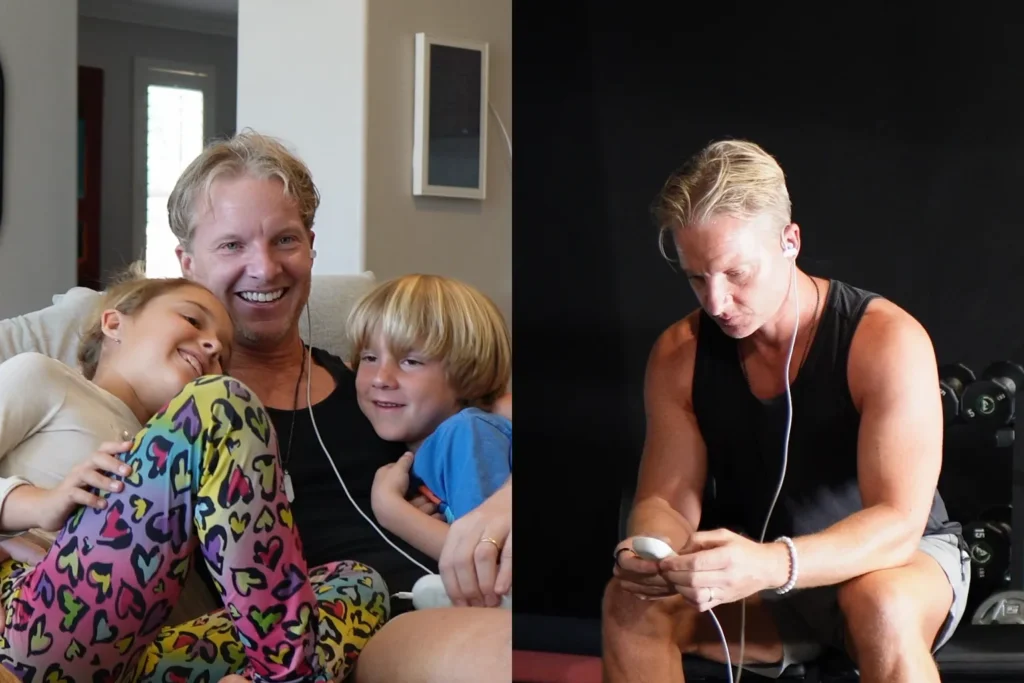
The Part Nobody Talks About
Most men I know are carrying more stress than they let on.
The strange part is that many of them don’t even realize they’re carrying it.
They show up for work. They train. They take care of their family. From the outside, everything looks completely fine.
But internally, their bodies may still be responding to constant pressure. And many don’t recognize it as stress because they were never taught to pay attention to those signals.
I didn’t either. For years, I thought stress was just part of the deal. You push through, stay composed, and try not to make your problems anyone else’s. For a long time, I thought that was simply what being responsible meant.
What I didn’t understand was that stress doesn’t disappear because you ignore it. The body can still respond to ongoing stress, even when you feel like you’ve moved past the situation. And when it carries it long enough, it starts showing up in ways that have nothing to do with how hard you’re working or how disciplined you are.
Anxious thoughts that arrive for no obvious reason. Sleep that doesn’t actually restore you. Irritability you can’t explain – especially with the people closest to you. That inability to fully switch off, even when you finally get a quiet moment.
I assumed that was simply the cost of having a busy life. Eventually, I realized I didn’t have to accept feeling that way all the time.
What I Keep Seeing in the Gym, at Home, and in Myself
I’ve been in the fitness and health space for over a decade. I’ve worked with thousands of men on training, nutrition, and recovery. And the pattern I keep seeing has almost nothing to do with their programming.
The men who plateau – who train hard, eat well, sleep reasonably well, and still feel flat – aren’t always dealing with a fitness problem. For some, ongoing stress and an inability to recover may be part of the picture.
And the men who struggle most are often the ones who look most composed on the outside.
The high-performer who runs a business, trains five times a week, and shows up for his family – but lies awake at night with his mind still running. Not anxious, exactly. Just never fully off.
The new father who’s taken on more responsibility than ever, who wouldn’t trade it for anything, but who feels a kind of exhaustion that a good night’s sleep doesn’t seem to touch. He can sleep and rest, but still doesn’t feel properly recharged.
The guy who “handles it” – the steady one everyone relies on, even when he rarely gives himself a chance to switch off. Irritability has started to creep in. Not anger. Just a shorter fuse.
“I’m just stressed. I just need to sort my head out. I’ll be fine.”
Many men say some version of this and genuinely believe they’ll feel better once life settles down. What they may not realize is that ongoing stress can keep the body in a heightened state of alertness.
What Nobody Warned Us About
Here’s something I wish someone had told me years ago.
A lot of men were never taught to process stress. So they carry it instead.
Research backs this up in a way that’s hard to ignore. Nearly 40% of men say they’ve never spoken to anyone about what’s going on internally. Not because they don’t feel it. Because they’ve learned not to show it.
Most of us grew up learning that composure equals strength. That the right response to pressure is to push through, stay productive, and not make it anyone else’s problem.
Some of us learn to push stress aside rather than talk about it or deal with it directly. But the body still responds to what we refuse to show. Over time, that pattern can make it harder to shift out of a heightened state of stress, even after the immediate pressure has passed.
Here’s what carrying stress actually looks like for most men.
Not falling apart. Not asking for help. Not showing anything.
Answering emails. Coaching clients. Playing with the kids. Smiling when someone asks how you’re doing.
That’s it. That’s the whole thing. From the outside, everything is fine.
When stress is prolonged, the sympathetic nervous system (SNS) can remain more active for longer.
This state is useful in short bursts. It’s what helps you perform under pressure and show up when it matters.
The problem is what happens when it never switches off.
The SNS doesn’t know the workday is over. It doesn’t know the kids are in bed. If the body doesn’t get enough opportunities to shift into recovery, that heightened state can carry into the evening and make it harder to unwind properly.
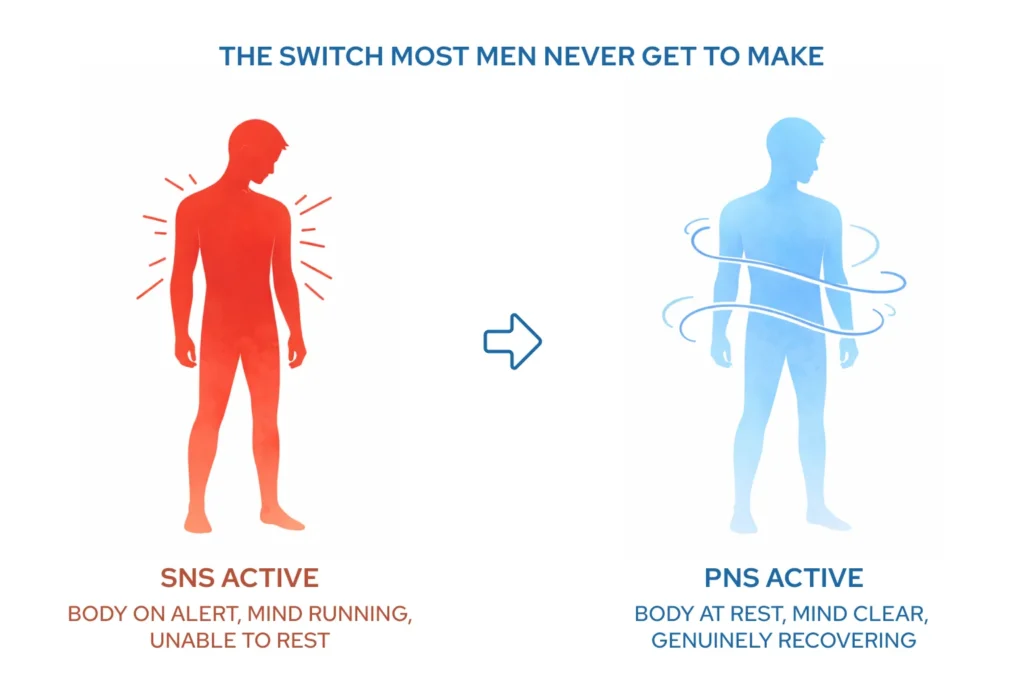
Over time, this shows up as:
- Sleep that doesn't restore - you get the hours but never feel recharged
- Irritability that seems disproportionate to what triggered it
- Anxious thoughts arriving in quiet moments - evenings, weekends, the drive home
- Mental tiredness that caffeine doesn't fix
- That sense of running on autopilot - going through the motions without really being present
- Feeling flat - not sad, not angry, just nothing
- Physical tension you only notice when someone points it out
- That sense of being permanently "on" - even when you're supposed to be off
This isn’t weakness. It’s the body’s stress response doing what it is designed to do, but staying active for longer than is helpful.
Why the Standard Advice Doesn’t Reach It
As a fitness coach, I’ve recommended most of the standard approaches for years. They all have genuine value.
But here’s what I’ve come to understand: many recovery strategies require time, consistency, and mental energy – exactly the things that can feel hardest to find when you’re already stressed.
- Training - one of the most effective things you can do for your nervous system, and I still do it consistently. Training temporarily increases physiological stress, even though regular exercise can support stress regulation and overall health. If you're already tired or under-recovered, adding more training stress may make recovery harder.
- Sleep - non-negotiable. But stress can make it harder to fall asleep, stay asleep, or wake feeling refreshed, even when you're spending enough time in bed.
- Meditation and breathwork - effective when done consistently. But they require quiet, focus, and a mind willing to slow down. For a man whose head is still processing the day at 10 pm, sitting still often feels like the moment everything arrives at once.
- Talking about it - research shows 40% of men have never spoken to anyone about what's going on internally. The barrier is real. And telling someone to "just open up" doesn't make that easier.
There’s something else worth saying: telling a man who’s already overloaded that he needs to add another recovery practice to his day can create more pressure, not less. It becomes one more thing on a list that’s already too long.
They still matter. The challenge is that when you’re already overwhelmed, even helpful habits can feel difficult to maintain or insufficient on their own.
Which made me start asking a different question: what if there was a way to support that system directly – without requiring a perfect environment?
The Role of the Vagus Nerve
That question kept bringing me back to the same place.
The vagus nerve is one of the body’s major communication pathways between the brain and organs such as the heart, lungs, and digestive tract.
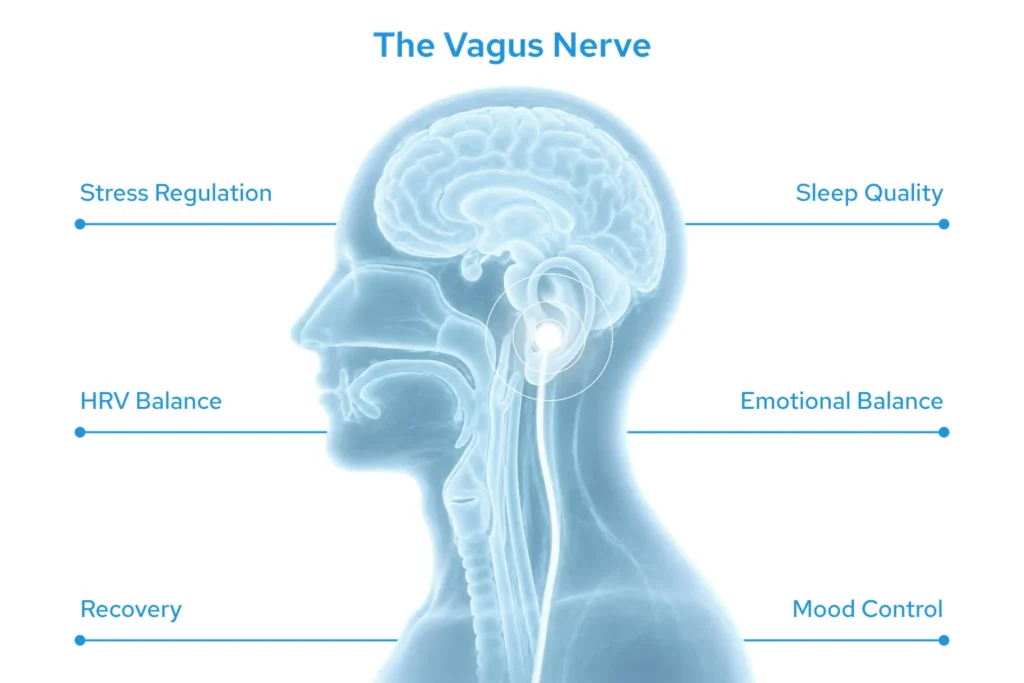
Until I researched this properly, I’d heard of it but never understood what it actually does.
One way to think about the vagus nerve is as part of the body’s system for shifting between states of alertness and recovery. When vagal tone (the measure of how well this nerve is functioning – often assessed indirectly through measures such as HRV, or Heart Rate Variability) is healthy, your nervous system shifts naturally between alert and recovery states. When the immediate stress has passed, parasympathetic activity can help the body move towards a more restful state.
When vagal tone is chronically suppressed – by sustained stress, suppressed emotions, overwork, and the accumulated load of showing up for everyone else – that shift becomes harder. The SNS stays dominant. The quiet evenings don’t feel quiet. The sleep doesn’t restore.
The nervous system isn’t necessarily “broken.”The goal is to support the body’s natural ability to shift between stress and recovery.
The more I looked into it, the more research I found.
What the Research Shows
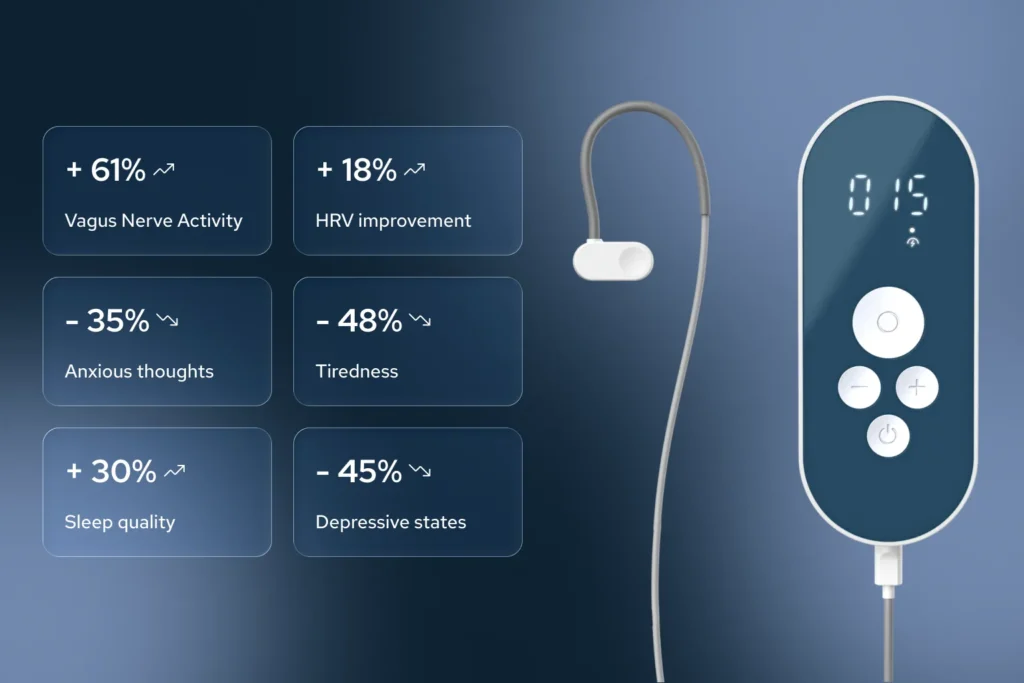
| Result | Metric |
| +61% | Vagus nerve activity (within 5 minutes of use) |
| +18% | HRV (Heart Rate Variability – a measurable marker of nervous system recovery) |
| −35% | Anxious thoughts (10-day study) |
| −48% | Tiredness |
| +30% | Sleep quality |
| −45% | Depressive states / low mood |
60+ completed studies. No serious adverse events were reported to date across the studies reviewed when taVNS was used appropriately.
The findings that caught my attention most weren’t the anxious thoughts measures. They were the reported changes in HRV and vagal activity. Those measures are different from subjective symptom scores, although they still need to be interpreted in the context of the individual studies. As someone who tracks his HRV, that mattered.
As I kept reading, one device began appearing repeatedly in the research I was reviewing: Nuropod.
Where Nuropod Fits In
As a fitness coach, I evaluate health claims carefully. Most wellness products promise more than they deliver. What changed my view wasn’t the concept itself, but the amount of device-specific research I found across different studies and populations.
The device that kept appearing throughout that research is called Nuropod.
Developed by Parasym – a company with 10+ years of R&D – Nuropod delivers electrical stimulation through the ear to target the auricular branch of the vagus nerve. The aim is to influence pathways involved in autonomic regulation. It uses proprietary AVNT™ technology (Auricular Vagal Neuromodulation Therapy).
The research behind it was much broader than I expected: studied in collaboration with 150+ internationally recognized institutions, 60+ completed studies, recommended by 1,000+ healthcare professionals.
I didn’t see it as replacing the basics. I saw it as something I could potentially add alongside the habits that were already helping me.
How I Actually Use It
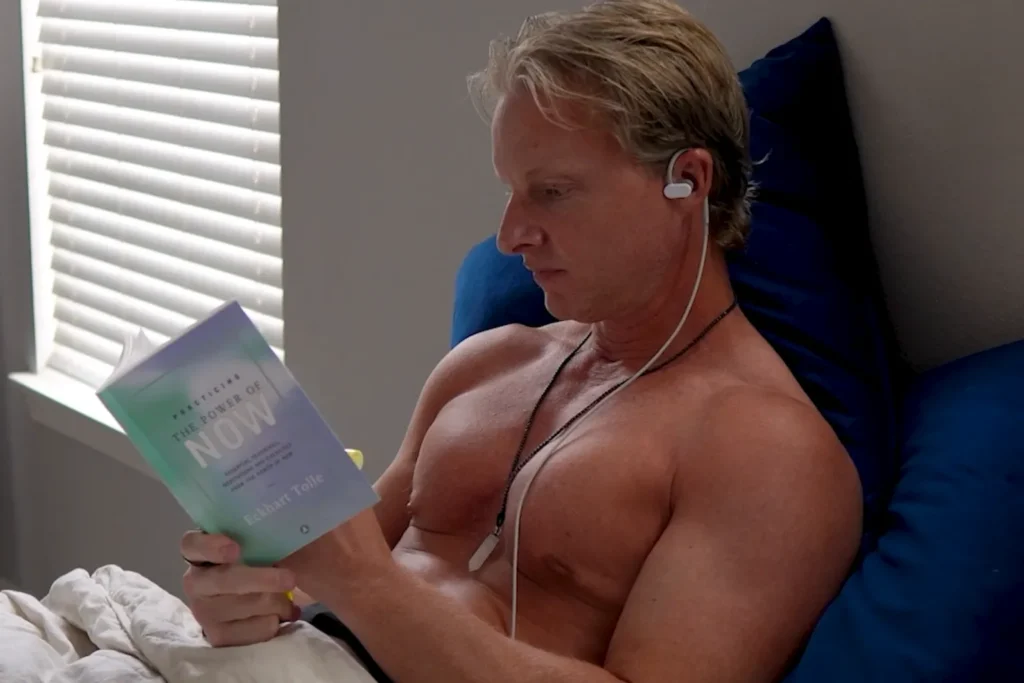
I usually use it for around 30 minutes.
I use it in the morning and again before bed – while winding down, sitting quietly, or doing something that doesn’t need full attention. It clips onto the ear with a small cable. It takes very little preparation to get started.
You can use it while:
- Watching something after the kids go to bed
- Reading before sleep
- Sitting in the car after a long day
- At your desk during a break
I can use it during ordinary downtime rather than setting aside a separate hour for it.
The first few weeks, honestly, I felt basically nothing. And that’s exactly where most people bail – they expect to clip it on and feel a wave of calm on day one. That’s not how it works. I didn’t notice a dramatic change immediately, so I decided to give it more time rather than judge it after the first few sessions.
I made a deal with myself: give it real time, track the data, and let the numbers tell the truth.
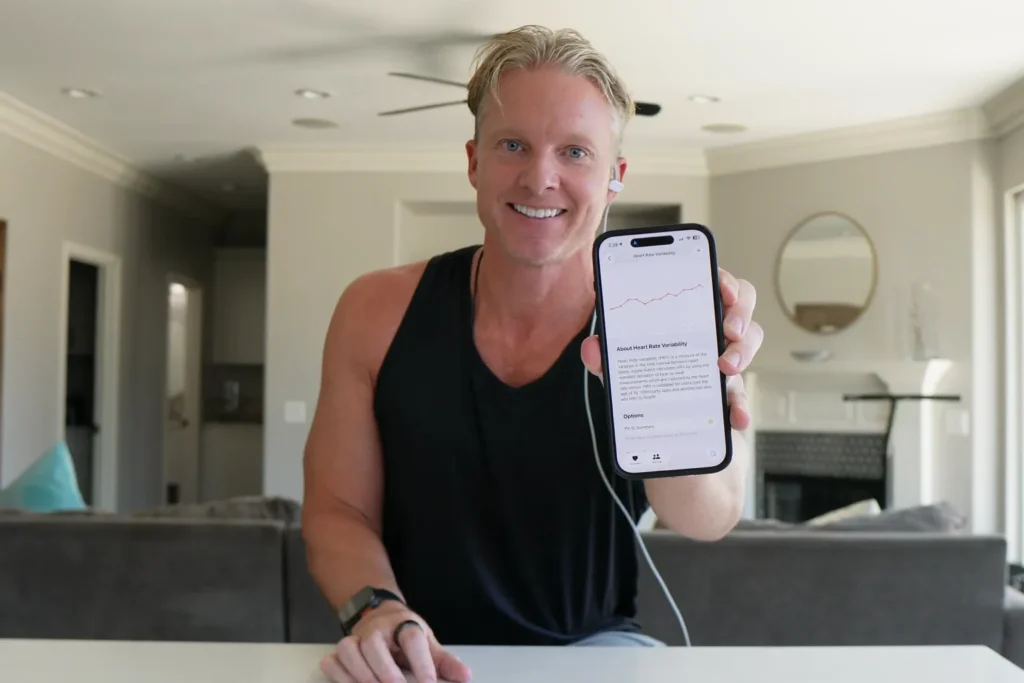
Around month two, my HRV jumped from 51 to 68. Then in month three, it crashed back down to 55 – basically square one. That was the point when I could easily have stopped, but I decided to keep tracking it.
By month six, my HRV had reached 101, the highest reading I’d seen in years of tracking. I can’t say the device was solely responsible, but the change was noticeable enough that I kept using it.
My wife noticed before I did. She just said: “You seem more present lately.” I didn’t have a better way to describe it either – but she was right.
The short fuse – the irritability I’d written off as just being tired – had mostly gone. My resting heart rate hit 48 BPM – a 10-year low.
For me, the bigger change was learning to recognize when I was carrying too much stress instead of simply pushing through it.
Who Might Relate to This
- The high-performer who handles everything and genuinely can't understand why he feels so flat.
- The new father whose exhaustion goes beyond broken sleep - who finds it difficult to unwind properly, even when the day is over.
- The fitness-focused man who trains, eats well, tracks his HRV - and still can't figure out why his numbers won't come back up.
- The guy who's been saying "I’m fine" - even though he knows he hasn't felt quite like himself lately.
Who This May Help
Nuropod may be worth exploring if:
- You can't fully switch off, even when you want to
- Sleep doesn't feel restorative regardless of how many hours you get
- You've noticed more irritability or impatience than usual
- Anxious thoughts arrive in the quiet moments
- You train hard but feel like your recovery has stalled
- You want something that fits into the limited downtime you actually have
Please avoid if you have an implanted cardiac device, are pregnant, have had a serious cardiac event in the last five years, or are under 18. Always check with your healthcare professional first.
Most men carry more than they show.
Looking back, I don’t think I needed to become mentally tougher.
I needed to stop believing that carrying everything silently was what strength looked like.
Your nervous system can adapt to changing demands, and supporting recovery can be part of learning to step out of that constant state of alertness.
I just wish I’d understood that years earlier.
This blog post aims to be informational and should not replace professional health advice. Always consult with a health professional for personalised advice.
References
- Zheng S, et al. Transcutaneous auricular vagus nerve stimulation for chronic insomnia disorder: A randomized clinical trial. JAMA Netw Open. 2024. https://jamanetwork.com/journals/jamanetworkopen/fullarticle/2828072
- Yeom, J. W., Kim, H., Park, S., Yoon, Y., Seo, J. Y., Cho, C. H., & Lee, H. J. (2025). Transcutaneous auricular vagus nerve stimulation (taVNS) improves sleep quality in chronic insomnia disorder: A double-blind, randomized, sham-controlled trial. Sleep medicine, 133, 106579. https://pubmed.ncbi.nlm.nih.gov/40398066/
- Soltani, D., Azizi, B., Sima, S., Tavakoli, K., Hosseini Mohammadi, N. S., Vahabie, A. H., Akbarzadeh-Sherbaf, K., & Vasheghani-Farahani, A. (2023). A systematic review of the effects of transcutaneous auricular vagus nerve stimulation on baroreflex sensitivity and heart rate variability in healthy subjects. Clinical autonomic research: official journal of the Clinical Autonomic Research Society, 33(2), 165–189. https://pubmed.ncbi.nlm.nih.gov/37119426/
- Breit S, et al. Vagus nerve as modulator of the brain-gut axis in psychiatric and inflammatory disorders. Frontiers in Psychiatry. 2018;9:44. https://doi.org/10.3389/fpsyt.2018.00044
- Redgrave J, et al. Safety and tolerability of transcutaneous vagus nerve stimulation in humans; a systematic review. Brain Stimulation. 2018;11(6):1225–1238. https://doi.org/10.1016/j.brs.2018.08.010