
Read the Vagus Nerve Impairment Self-Assessment and find out

Is Your Nervous System Keeping You in Persistent Post-Viral Fatigue and Brain Fog?
Ask yourself
- Do you experience overwhelming tiredness that doesn't improve with rest, even months after your initial COVID infection?
- Does your brain feel foggy, with difficulty concentrating, remembering things, or finding words?
- Do you feel mentally and physically exhausted after minimal exertion that you could easily handle before COVID?
If you answered yes, your nervous system may be stuck in a dysregulated state following your viral infection, preventing proper recovery and cognitive function.
Physiological Mechanisms:
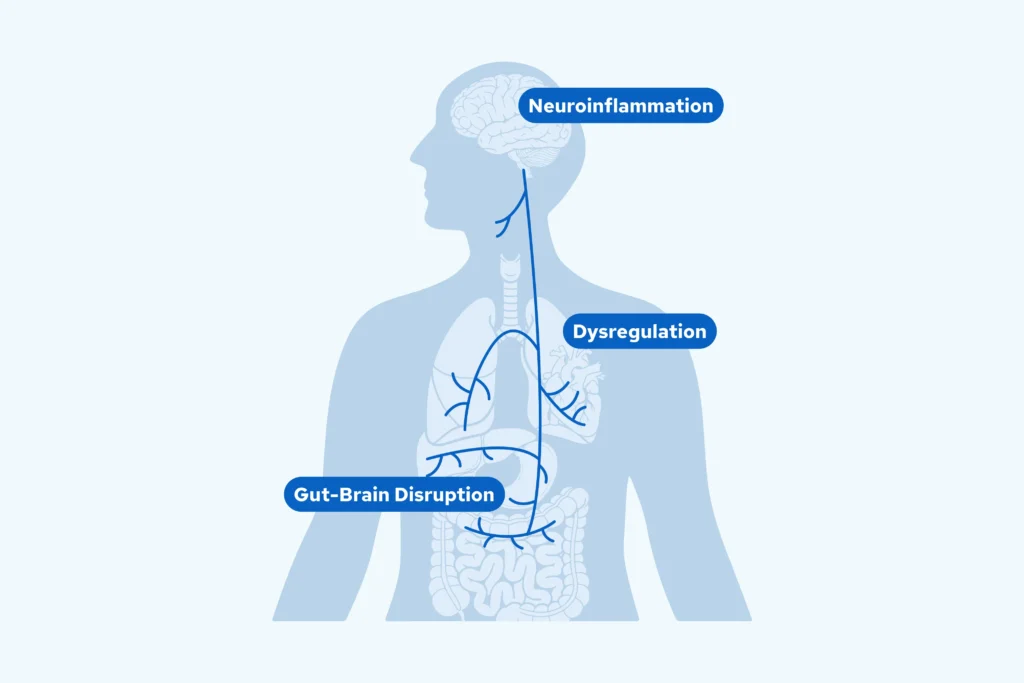
- Post-viral autonomic dysfunction: COVID-19 can damage the vagus nerve and disrupt autonomic function, leading to persistent tiredness and cognitive impairment that resembles chronic tiredness syndrome.
- Neuroinflammation persistence: Ongoing inflammation in the brain disrupts neurotransmitter balance, affecting dopamine, serotonin, and acetylcholine pathways critical for energy and cognition.
- Mitochondrial dysfunction: Viral infection can impair cellular energy production, leading to profound tiredness and reduced mental clarity that persists long after initial recovery.
Post-viral neurological symptoms may be directly linked to autonomic nervous system dysfunction, with the vagus nerve playing a critical role in post-viral recovery and cognitive restoration.

Is Your Nervous System Contributing to Post-Viral Heart Palpitations and Exercise Intolerance?
Ask yourself
- Do you experience rapid heart rate, palpitations, or chest tightness that started after COVID?
- Does minimal physical activity leave you feeling breathless or cause your heart to race excessively?
- Do you struggle with exercise intolerance, unable to reach previous fitness levels without severe symptoms?
Physiological Mechanisms:
- Post-viral Postural Heart Rate Abnormalities: COVID-19 can trigger postural orthostatic rapid heartbeat syndrome, causing abnormal heart rate responses and exercise intolerance through autonomic dysregulation.
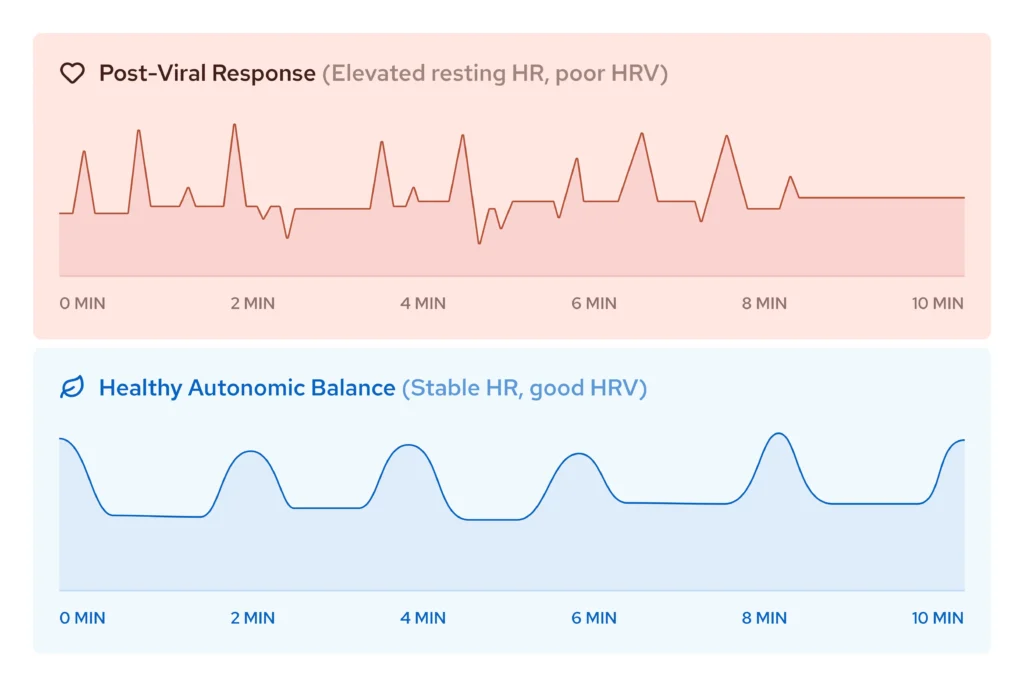
- Vagal nerve impairment: Viral damage to the vagus nerve reduces its ability to regulate heart rate variability and maintain cardiovascular stability during activity.
- Dysregulated stress response: Persistent sympathetic nervous system activation leads to heightened cardiovascular reactivity and reduced exercise tolerance.
Post-viral cardiovascular symptoms often reflect autonomic nervous system dysfunction rather than direct heart damage, explaining why standard cardiac tests may appear normal despite persistent symptoms.

Is Your Nervous System Contributing to Post-Viral Shortness of Breath and Air Hunger?
Ask yourself
- Do you frequently experience shortness of breath or feel like you can't take a deep, satisfying breath?
- Does talking, walking, or mild exertion leave you breathless in ways that didn't happen before COVID?
- Do you experience "air hunger" - a feeling that you're not getting enough oxygen despite normal oxygen levels?
Physiological Mechanisms:
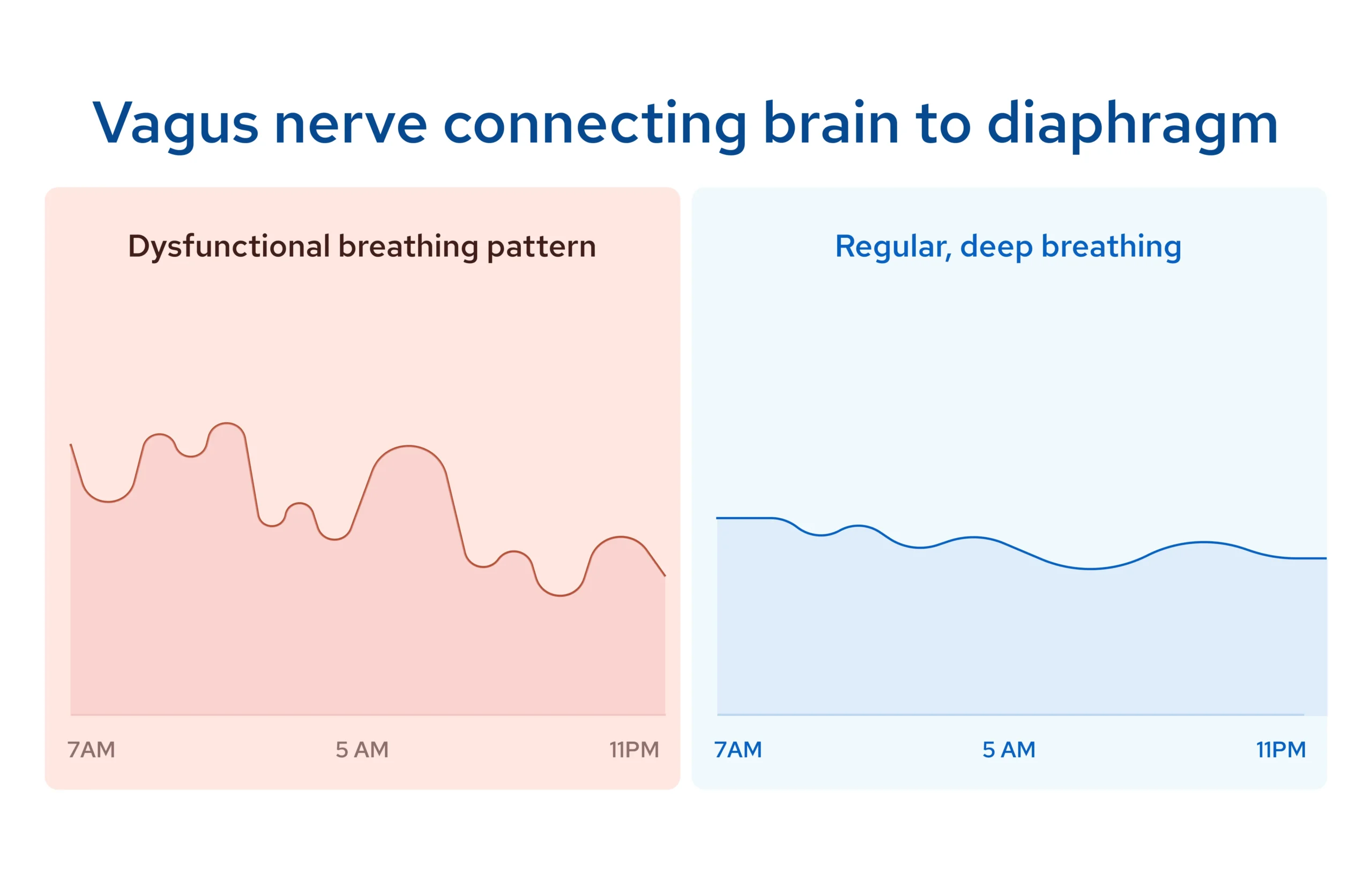
- Vagal respiratory control disruption: COVID-19 can impair vagus nerve regulation of the diaphragm and breathing patterns, leading to dysfunctional breathing even after lung recovery.
- Autonomic breathing dysregulation: Disrupted autonomic control can cause irregular breathing patterns, hyperventilation, or inability to take deep breaths.
- Central nervous system effects: Viral impact on brainstem respiratory centers can persist, causing ongoing breathing difficulties despite clear lungs.
Post-viral breathing difficulties may originate from nervous system dysregulation rather than lung damage, which is why pulmonary function tests often appear normal despite persistent symptoms.
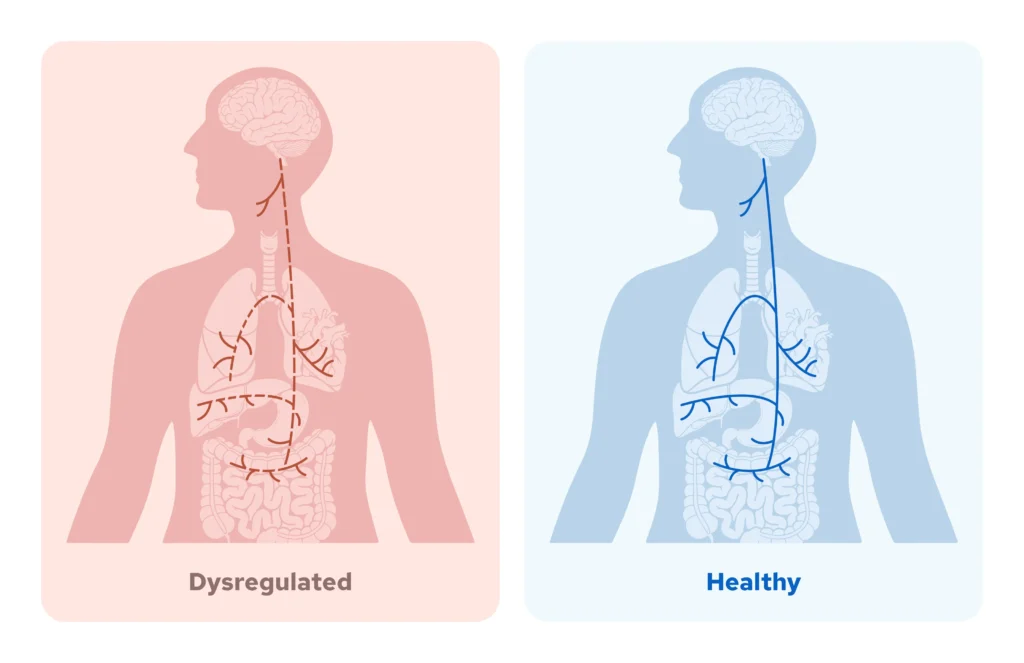

Is Your Nervous System Causing Post-Viral Digestive Issues?
Ask yourself
- Do you experience new or worsened digestive issues like nausea, bloating, or changes in bowel habits since COVID?
- Have you developed food intolerances or sensitivities that weren't present before your infection?
- Do you struggle with loss of appetite, early satiety, or delayed gastric emptying-like symptoms?
Physiological Mechanisms:
- Gut-brain axis disruption: COVID-19 can damage the enteric nervous system and vagal pathways that control digestion, leading to delayed gastric emptying and motility disorders.
- Dysbiosis and inflammation: Viral infection can alter gut microbiome balance and increase intestinal permeability, contributing to ongoing digestive dysfunction.
- Vagal gastroparesis: Impaired vagus nerve function can slow gastric emptying and reduce digestive enzyme production, causing persistent gastrointestinal symptoms.
Post-viral gastrointestinal symptoms often reflect vagus nerve dysfunction and gut-brain axis disruption, requiring approaches that address nervous system regulation rather than just digestive symptoms.
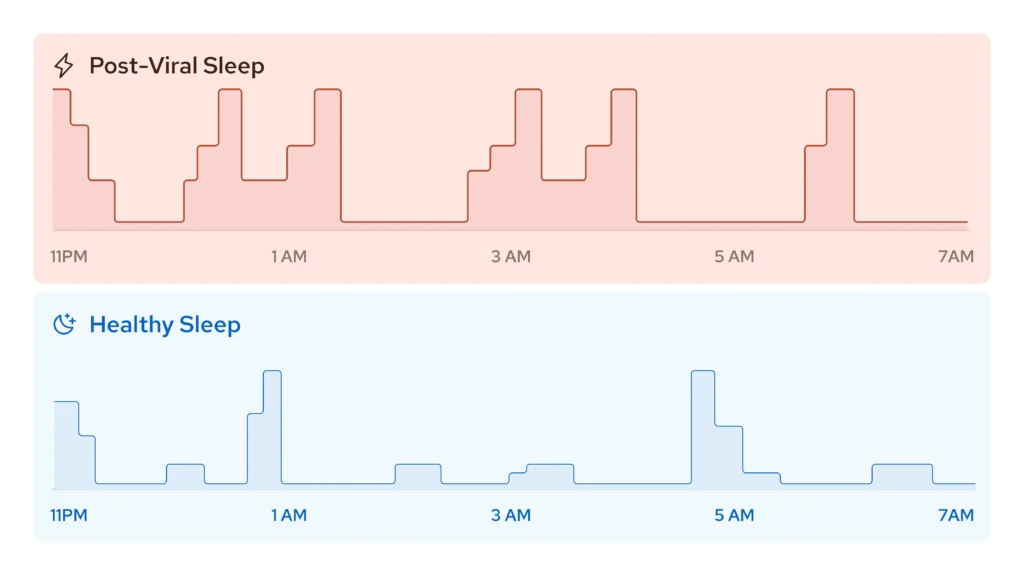

Is Your Nervous System Contributing to Post-Viral Sleep Disruption and Non-Restorative Rest?
Ask yourself
- Do you struggle with frequent night wakings, or difficulty falling asleep since having COVID?
- Do you wake up feeling unrefreshed and exhausted, no matter how many hours you sleep?
- Has your sleep architecture changed, with less deep sleep or vivid, disturbing dreams?
Physiological Mechanisms:
- Circadian rhythm disruption: COVID-19 can affect the hypothalamic-pituitary axis and disrupt natural sleep-wake cycles, leading to persistent sleep problems and non-restorative sleep.
- Autonomic sleep regulation impairment: Damaged vagus nerve function prevents proper transition into parasympathetic dominance needed for deep, restorative sleep.
- Persistent hypervigilance: Ongoing sympathetic nervous system activation keeps the body in an alert state, preventing the relaxation necessary for quality sleep.
Post-viral sleep disorders often stem from autonomic nervous system dysregulation, where the body cannot shift into the parasympathetic state necessary for restorative sleep, regardless of tiredness levels.
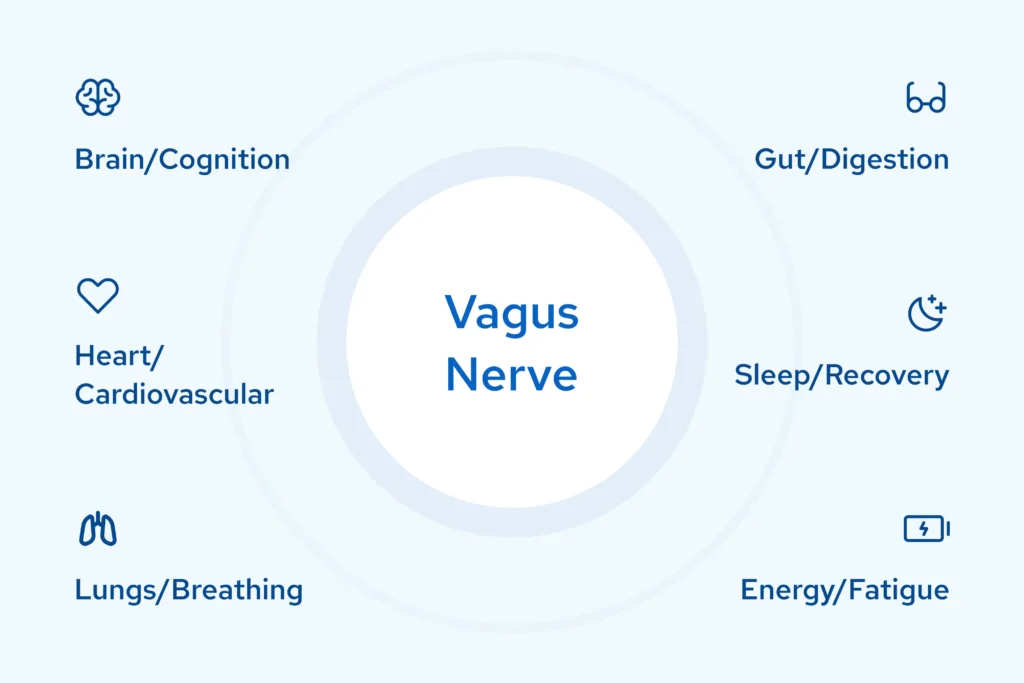

Are Your Post-Viral Symptoms Part of a Post-Viral Autonomic Syndrome?
Ask yourself
- Do you experience multiple unexplained symptoms that seem unrelated but all started after COVID?
- Have you developed new sensitivities to temperature, light, sound, or stress that weren't present before?
- Do your symptoms fluctuate unpredictably, with good and bad days that don't correlate with your activity level?
Physiological Mechanisms:
- Multi-system autonomic dysfunction: COVID-19 can trigger widespread autonomic nervous system dysfunction affecting multiple organ systems simultaneously, creating the complex symptom pattern of persistent post-viral symptoms.
- Autoimmune autonomic neuropathy: Post-viral autoimmune responses can target autonomic nerve fibers, leading to persistent dysfunction across multiple body systems.
- Central sensitization: Viral-induced neuroinflammation can increase nervous system sensitivity, causing symptoms to persist and fluctuate unpredictably long after initial infection.
Post-infectious complications represent a post-viral autonomic syndrome where SARS-CoV-2 triggers lasting dysfunction in the nervous system’s control of vital functions, explaining the diverse and persistent nature of symptoms.
The Missing Piece in Extended SARS-Cov-2 Understanding
Here’s what connects all these post-viral symptoms: your vagus nerve orchestrates every one of these recovery processes.
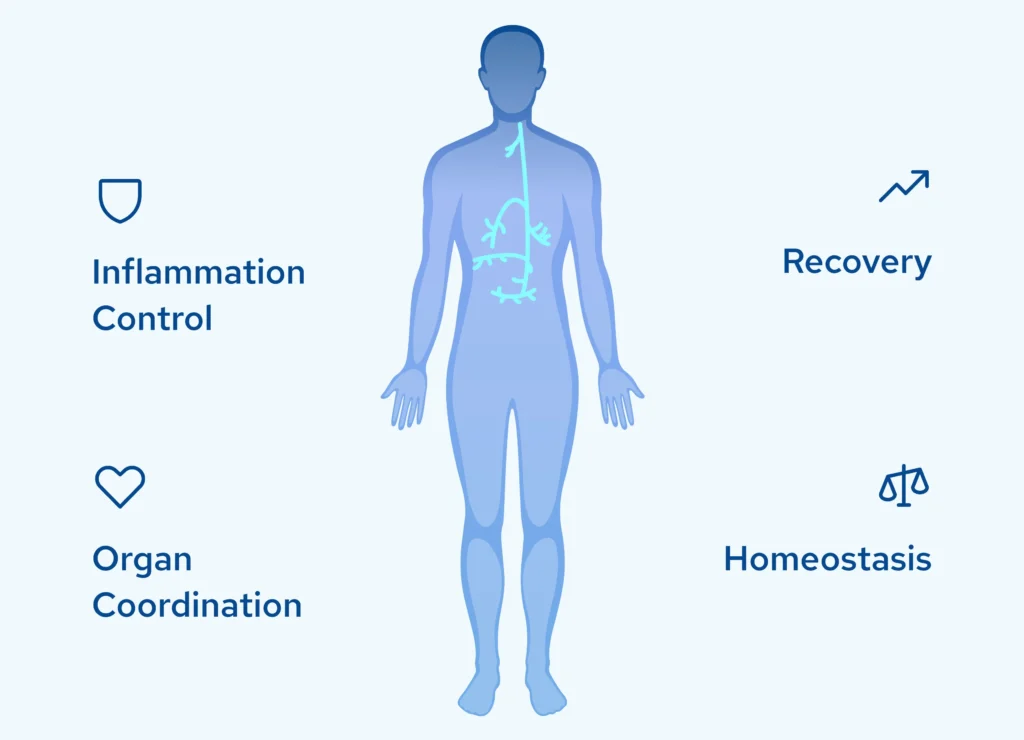
The vagus nerve serves as your body’s primary recovery pathway, regulating inflammation, coordinating organ function, and facilitating the return to homeostasis after viral insult. When COVID-19 disrupts this system, the cascade of persistent symptoms becomes not just explainable, but addressable.
Research shows vagus nerve stimulation can modulate inflammatory responses and improve autonomic balance, offering new insights into post-viral recovery mechanisms.
Advancing SARS-Cov-2 Research Through Vagus Nerve Modulation
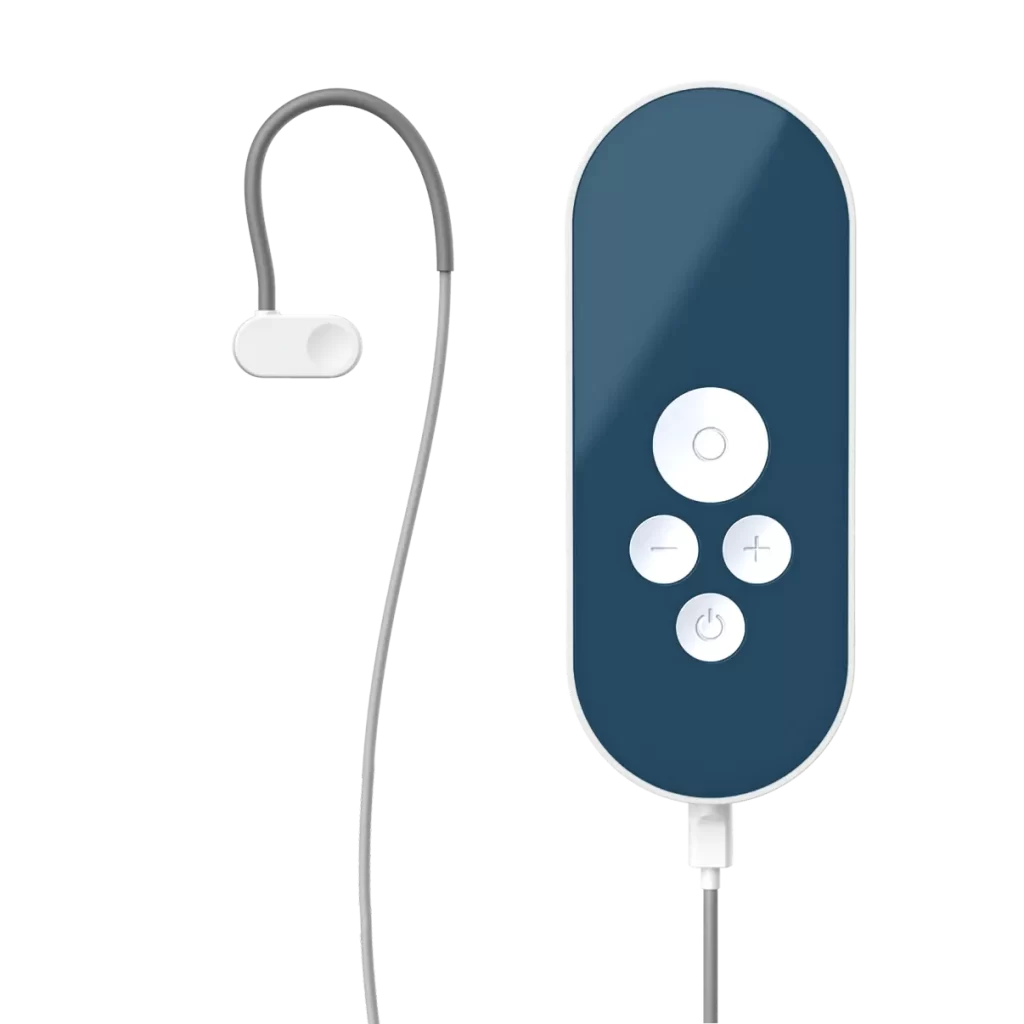
Recent scientific research has begun exploring transcutaneous vagus nerve stimulation as a potential intervention for post-viral autonomic dysfunction. Nuropod represents the most studied approach in this emerging field.
Research Highlights:

Scientific Validation
Over 50 peer-reviewed studies examining vagus nerve stimulation across multiple symptoms, with specific research ongoing for post-viral symptoms.

Institutional Collaboration
Studies conducted in partnership with Harvard, UCLA, NHS, and other leading research institutions.

Safety Profile
Zero serious adverse events reported across scientific studies to date, with regulatory approval as a medical device.
Perspectives from the Medical Community

Dr Mikolaj Raszek
Researcher at Merogenomics
"Based on the evidence coming out, it looks as if these devices appear to be helping big time in terms of post-viral fatigue."

Anthony Kaveh, MD
Anesthesiologist & Medical Director at Clarus Health
"The question was whether we could help patients achieve sustained relief from an out-of-control sympathetic nervous system. The early results have been encouraging."

Dr James Gill
Associate Professor at Warwick Medical School & General Practitioner
"Independent research demonstrated reduced sympathetic nerve activity. The objective improvements in heart rate variability were particularly notable."
Understanding the Science
Current research suggests that vagus nerve stimulation may help address lingering COVID effects through several mechanisms:
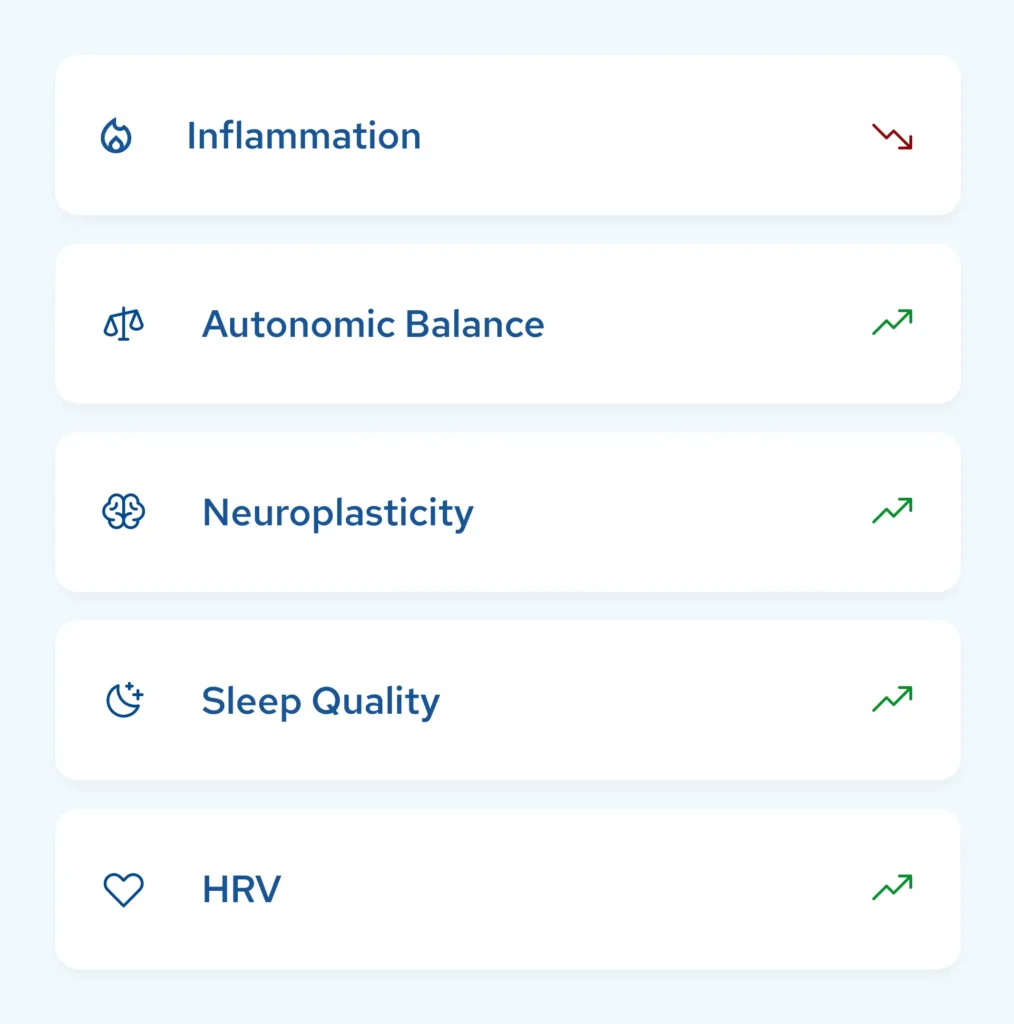
- Inflammatory modulation: Activation of the cholinergic anti-inflammatory pathway
- Autonomic rebalancing: Restoration of sympathetic-parasympathetic equilibrium
- Neuroplasticity enhancement: Support for neural recovery and adaptation
- Sleep architecture improvement: Facilitation of restorative sleep cycles
- HRV optimization: Enhancement of heart rate variability markers
These physiological changes align with the core dysfunctions observed in prolonged symptoms, suggesting a mechanistic basis for therapeutic intervention.
Ongoing SARS-Cov-2 Research
The scientific community continues to investigate vagus nerve stimulation for post-viral recovery.
Current Studies:
- Post-viral fatigue and cognitive function
- Autonomic dysfunction in SARS-Cov-2
- Sleep disorders following viral infection
- Exercise intolerance and cardiovascular symptoms
- Gastrointestinal recovery post-COVID
Research Participation: Individuals with post-viral symptoms may be eligible to participate in ongoing research studies while accessing potential therapeutic interventions.
Symptoms Under Investigation
Research is examining vagus nerve stimulation’s potential impact on these post-viral manifestations:
- Post-viral fatigue and energy regulation
- Cognitive dysfunction and brain fog
- Cardiovascular symptoms and exercise intolerance
- Respiratory difficulties and breathing patterns
- Sleep architecture and restorative rest
- Gastrointestinal function and digestion
- Temperature regulation and autonomic control
- Neurological symptoms and sensory processing
- Mood regulation and stress response
- Pain modulation and inflammatory markers
The interconnected nature of these symptoms supports the hypothesis that addressing autonomic dysfunction may provide systemic benefits for post-viral recovery.
A Note on Therapeutic Approaches
While ongoing SARS-Cov-2 research continues to evolve, early evidence suggests that approaches targeting nervous system regulation may offer advantages over symptom-specific therapies.
The autonomic nervous system’s role as a master regulator of physiological function makes it a logical therapeutic target for multi-system post-viral dysfunction.
Current management strategies often address individual symptoms in isolation.
However, understanding SARS-CoV-2 infection as a unified autonomic syndrome suggests that interventions supporting overall nervous system recovery may provide more comprehensive benefits.
Individual results may vary. This information is for educational purposes and should not replace consultation with healthcare professionals familiar with your specific medical situation.
Research Disclaimer: This content discusses ongoing research and should not be considered medical advice. Extended COVID management should involve qualified healthcare providers. Research participation and device use should be discussed with your medical team.
How to Choose a Vagus Nerve Stimulator
With a variety of different devices on the market, it’s important to do the proper research and make the choice that’s right for you. Most importantly, you need to be sure that the intervention you’re looking at has been scientifically proven to target the vagus nerve.
Here are a few of the key factors to consider when making a decision:
- Consult with your health care professional
Before starting any new medical intervention, it’s always a good idea to consult with a medical professional first. For vagus nerve stimulation, choose a neurologist or specialist who is familiar with VNS devices, so they can correctly advise you on if it will help your specific symptoms. - Compatibility with your symptoms
VNS devices are designed to improve specific symptoms, including depressive states, chronic tiredness, gastrointestinal issues, and brain fog. Make sure that vagus nerve stimulation has been studied and evaluated for its effectiveness for your specific health needs. VNS devices also have different stimulation locations, such as the neck and ear. Sensate, which is not a VNS device, claims to stimulate it through the chest. However, Nuropod’s AVNT approach and Gammacore’s approach both have scientific evidence of precise targeting and safety. Other approaches at any location are at best playing the piano out of tune and at worst actively dangerous. - Safety & Wearable Device Status
Many devices claim to be VNS devices and be safe, but it’s important to evaluate the scientific research done on each device to understand its safety profile. Sensate and Pulsetto say that they activate the vagus nerve, but they don’t have any scientific evidence to confirm it. Different methods of vagus nerve stimulation are associated with different side effects too, so it’s good to understand all the risks before you buy. Devices that have obtained certified Wearable Device status are key––this certification requires rigorous quality testing and safety studies to ensure that they don’t harm the nervous system - Effectiveness & Research
Be sure to look for devices backed by scientific research and ideally, placebo-controlled studies. A reputable device will have published research to back up its claims. Randomised placebo-controlled testing ensures that a device’s effects are not based on placebo, giving confidence in the device’s actual therapeutic benefits. Similarly, peer-reviewed studies reduce the risk of biased results and prove the credibility of the device tested.Many devices quote generic VNS research but they haven’t conducted any safety and efficacy studies on their device. Just because a device emits an electrical current where the vagus nerve is located, doesn’t guarantee that it activates the vagus nerve or impacts it positively. Most research on vagus nerve stimulation was done with invasive methods, not portable devices. So a handheld device that references invasive VNS research is falsely representing the data to sell their product.
- Stimulation vs Modulation
It’s also important to be aware that some devices, like Pulsetto or GammaCore, provide high-intensity stimulation which may increase the chance of side effects and may harm people with chronic symptoms whose nervous systems are already dysregulated. Nuropod with 45 energy levels offers precise control of modulation to provide the same benefits with fewer risks.
- Price
The device you choose must fit in your budget. Some devices have a subscription model that requires ongoing payments over time. Others like Nuropod and Sensate are one-time purchases. Because the benefits of using VNS require consistent use, the more they are used, the better the outcomes. Therefore, when considering getting a device, think long term how the costs of long term use would stack up. Taking Nuropod as an example, the cost of the device averages out to approximately 2 EUR per day over a year, and after that there are no more payments. Meanwhile, GammaCore is preloaded with 3 months of sessions. After that, you’ll need to purchase more sessions to continue using it. Pulsetto offers a paid app subscription, so long term costs of use might add up.
Testing Protocol
Since these devices are NOT created equal, it’s essential to carefully evaluate their features, effectiveness, and user experience before making a decision. So we set out to compare four of the most popular devices that people purchase for vagus nerve stimulation – Pulsetto, Sensate, Gammacore, and Nuropod. However, it’s important to note that unlike Nuropod and GammaCore, Pulsetto and Sensate are not certified VNS devices.
For an accurate comparison, we had each device evaluated by a team of PhDs and medical health care professionals. I used each device for one month, with a one-month break after each to avoid any carryover effects. I started with Sensate, then Pulsetto, Nuropod, and finally, GammaCore.
Here are the results and rankings:
| Nuropod | Gammacore | Pulsetto | Sensate | |
| Evaluated in and supported by peer-reviewed placebo-controlled scientific studies | ✓ | ✓ | Χ | Χ |
| Number of scientific studies conducted | 40+ | 20+ | 0 | 0 |
| Scientific studies investment | $10M+ | $50M+ | $0 | $0 |
| Usable without app | ✓ | Χ | Χ | Χ |
| Available without prescription | ✓ | Χ | ✓ | ✓ |
| Mode of action | Auricular Vagal Neuromodulation Therapy (AVNT) | Non-invasive Cervical Vagus Nerve Stimulation (ncVNS) | No validated mode of action | No validated mode of action |
| Target site | Auricular branch of the vagus nerve | Cervical branch of the vagus nerve | Neck | Chest |
| Delivery | Proprietary (Electrical) | Proprietary (Electrical) | Electrical | Vibration |
| Pleasantness of stimulation | Pleasant, mild | More intense, can clench a jaw | More intense | No direct stimulation, pleasant vibratio |
| Is gel needed to use? | No | Yes | Yes | No |
| Battery Life | >1 month | 1 week | 1 week | 1 week |
| Easy to travel with | Yes | No | No | Yes |
| Device type requiring regulatory review and approval before marketing | Required | Required | Required | Χ |
| Approved to be used by the public | ✓ | ✓ | Χ | n/a |
| Certified Wearable Device | ✓ | ✓ | Χ | Χ |
| Medical evaluation process on purchase | ✓ | ✓ | Χ | Χ |
| Documented safety controls | ✓ | ✓ | Χ | Χ |
| SAE (serious adverse events) reported in scientific study | 0 | 0 | No scientific evaluation. Adverse events have been reported online | No scientific evaluation. |
| Risk profile | Low risk based on scientific studies | Low risk based on scientific studies | High risk based on lack of scientific studies and user reports | Low risk based on delivery (vibration) |
| Initial cost | $900 | $450 (first 3 months only) | $233 | $349 |
| Additional costs | $0 | $598 every 3 months | $15 – $45 per month Paid app with more features | $49.99 per year Paid app with more features |
| Total estimated cost over 5 years of daily use | $900 | $14,073 | $931 | $720 |
| Overall Recommendation | Our top pick – Highly recommended | Recommended for headache sufferers | Not recommended | Can be used as a supplementary tool |
Meet The Doctors
A practicing doctor of psychiatry, Elisabetta has an MBA from INSEAD Business School, and experience in direct patient care, neuroscience research, communication and management. Dr. Burchi is a physician-scientist, working with Parasym in clinical affairs with a track record of publishing in the most important scientific journals such as The Lancet, writing successful grant proposals for the NIH, and leading the production of editorial, clinical, regulatory and promotional material in collaborative multidisciplinary teams. Dr. Burchi has also coordinated clinical trials and implemented a tele-medicine practice which received a certification of excellence among more than 100,000 professionals.

Dr. Elisabetta Burchi, MD, MBA
Translational research lead at Parasym
Experience The Future of Bioelectronic Medicine

Claim €70 OFF the most studied vagal neuromodulation device in the world.
Take part in our study to advance research in neuromodulation and claim €70 subsidy on your device.
*Takes less than 2 minutes to complete.
50+
Ongoing scientific studies
4M+
Happy user sessions
30
Day money back guarantee

Certified medical device
Claim €70 OFF the most studied vagal neuromodulation device in the world.
Take part in our study to advance research in neuromodulation and claim €70 subsidy on your device.
*Takes less than 2 minutes to complete.
50+
Ongoing scientific studies
4M+
Happy user sessions
30
Day money back guarantee

Certified medical device
30 Day Money-back Guarantee
If you try Nuropod daily for 30 days and aren’t happy with your results, we’ll send you a full refund of your Nuropod Kit. No questions asked Given the remarkable results Nuropod has had in scientific studies and with our customers around the world, we’re confident in its health-restoring effects.
Our goal will always be to restore our collective health – restoring health for as many people as we can and in turn, restoring the health of our planet. If Nuropod doesn’t work for you for any reason, we’re happy to send you a refund. This refund period is available 30 days after the date of purchase and expires the following week (37 days after the date of purchase). The refund will be issued once we receive your tracking code for the return.
To receive a refund: contact us
Got questions? Here is everything you need to know
Symptoms we studied
These symptoms have been linked to autonomic nervous system imbalance and Vagus Nerve Impairment:
- Anxious states and Stress related symptoms
- Chronic Tiredness, Fatigue, Brain Fog, Burnout
- Digestive issues, irritable gut reflux, diarrhoea, constipation, bloating
- Sleep problems
- Negative thought
- Inflammatory symptoms
- Pain, headaches
- Memory & Attention problems
- Postural Heart Rate Abnormalities or fainting
- Post-Viral Symptoms
- Widespread body pain
Our latest research data also suggests Nuropod improves learning and short-term memory and cognition.
Nuropod also has been shown to promote relaxation, mood, sleep, healthy digestion, increased HRV, as well as to alleviate symptoms of stress, burnout, adrenal fatigue.
Parasym research is also investigating the impact of neuromodulation on athletic performance, muscle recovery, weight management problems, substance dependency and more.
If you’re not sure if Nuropod is for you consult with your health professional or contact our support by clicking the Support icon at the bottom right of the page.
When can I start feeling the effects?
The timeframe for experiencing the effects of Nuropod varies. Individuals with severe symptoms may notice improvements within 1 to 3 days, while others may see results within 4 to 6 weeks. Rest assured, the transformative benefits of Nuropod will be within reach.
Is Nuropod safe?
Neuromodulation via Nuropod is considered safe when used as intended.
Nuropod has these certificates.
– It is based on scientific evidence
– It is safe to use
– It has demonstrated scientific efficacy
Be sure to read the important safety information before use. Thousands of users have tested the device and no serious adverse effects have been reported in studies to date.
What does it feel like?
Feels like a pleasant, light vibration or tingling sensation in your ear.
Are there any additional costs or subscription fees?
There are no additional costs or fees, only the one-time purchase of the Nuropod.
Before using Nuropod
Read the instructions for use before using Nuropod. However, it’s possible this may not be enough to fully explain the safe and effective use of Nuropod in your particular situation. Ask your health professional or contact Nuropod care if you have any questions about how to use Nuropod or require any further clarification.
Only use Nuropod as described in the instructions for use or as otherwise directed by your health professional. Remove jewelry that may interfere with the electrode location (earrings etc.) before using Nuropod. Do not use Nuropod if the skin on the tragus is broken, cracked or numb.
What is the difference between Nuropod and other devices claiming to stimulate nervous system?
Important Safety Note: Exposing the nervous system to untested electrical currents or using DIY Transcutaneous Electrical Nerve Stimulation (TENS) devices carries risks, including potential nerve damage. Prioritize safety and efficacy in your choice.
Devices claiming to affect vagus nerve differ significantly, impacting their effectiveness and safety. Even small differences in factors like waveform and site placement can yield notable results. Most importantly, level of scientific evidence is crucial.
Nuropod is the leading non-invasive vagal neuromodulation system used in scientific research– with over $10M deployed in scientific studies, 50+ published papers in leading journals covering our exciting and scientifically significant results. Our device is one of a few registered medical devices with safety & efficacy confirmed by regulatory bodies in EU.
How long should I use Nuropod each day for optimal results?
We recommend using Nuropod for 1 hour each day, however, benefits can be seen with as little as 15 minutes of use.
Can I perform other activities while using it?
Yes, you can experience the benefits of Neurostimulation anywhere, anytime while doing any activity.
Do I need a prescription to purchase Nuropod?
No. However, we recommend that you consult with your health professional if you’re unsure whether Nuropod is right for you.
What are the details of your 30-day guarantee?
If you try Nuropod daily for 30 days and aren’t happy with your results, we’ll send you a fund refund. No questions asked.
Given the remarkable results Nuropod has had in scientific studies and with our customers around the world, we’re confident in its health restoring effects. Our goal will always be to restore our collective health – restoring health for as many people as we can and in turn, restoring the health of our planet. If Nuropod doesn’t work for you for any reason, we’re happy to send you a refund. This refund period is available 30 days after the date of purchase and expires the following week (37 days after the date of purchase).
Does Nuropod come with a warranty?
Yes! We offer a one-year warranty with every Nuropod device.
How long do orders take to ship?
Orders are processed and dispatched within 1-3 business days.
When will my order arrive?
Nuropod is shipped via priority tracked and signed couriers, so delivery times will vary based on shipping location. When you checkout, you’ll receive an estimated shipping time for your order.
What is in the Nuropod Package?
- Nuropod device
- Earpiece
- USB charger
- Case
- Quick start guide
How to use Nuropod?
The article does not in any way constitute as medical advice. Please seek consultation with a licensed medical professional before starting any treatment. This website may receive commissions from the links or products mentioned in this article.
Share via: