
Key Points
- Prostate massage has a long history and was once a standard urological practice.
- Research suggests it may help relieve urinary discomfort, pelvic pain, and certain sexual health issues.
- The benefits remain debated, and there are potential risks if performed incorrectly.
- Expert guidance is critical before considering prostate massage as part of men’s wellness strategies.
A Hidden Gland and the Search for Relief
For many men, the prostate is an organ that only enters awareness when problems arise—trouble urinating, lingering pelvic discomfort, or concerns about sexual function. Yet prostate massage therapy has persisted for decades, straddling the line between medical procedure, alternative solution, and cultural taboo.
As interest in non-drug approaches to men’s health grows, prostate massage is once again gaining attention. But how much of the conversation is backed by science—and how much is myth?
Why Prostate Massage Matters for Men’s Health
Prostate-related problems are common. Chronic prostatitis, sometimes referred to as chronic pelvic pain syndrome, affects 2–10% of men worldwide. Symptoms can include urinary difficulties, pelvic tension, and painful ejaculation—all of which can reduce daily comfort and confidence.
Prostate massage, also called “prostatic drainage,” has been explored as one approach for symptom relief. Advocates suggest it reduces congestion in the gland, while sceptics point to limited scientific evidence. Clear guidance is essential for men navigating these conflicting perspectives.
Recognising Symptoms That Lead Men to Seek Prostate Massage
Men who consider prostate massage therapy often report:
- Urinary difficulties – weak stream, frequent urges, or incomplete emptying.
- Pelvic or lower back discomfort – nagging pain that interferes with routines.
- Sexual concerns – painful ejaculation, reduced pleasure, or tension around performance.
These frustrations may prompt interest in therapies beyond conventional medications or surgery.
The Science and History Behind Prostate Massage
In the early 20th century, prostate massage was widely used by urologists as a standard practice for prostatitis and urinary complaints. After the advent of antibiotics in the 1940s, their use declined but did not disappear.
Research indicates that prostate massage may influence health in several ways:
- Fluid drainage – reducing congestion by expelling excess prostatic secretions.
- Circulation support – stimulating blood flow in pelvic tissues.
- Symptom relief – easing discomfort in some cases of chronic prostatitis and pelvic pain.
However, evidence remains limited. A 2023 review noted that while some users report improvement, large-scale studies are still needed to confirm benefits.
Potential Benefits and Risks of Prostate Massage
Reported Benefits
- Relief of urinary tension and pelvic discomfort.
- Reduced pressure in cases of prostatitis.
- Enhanced sexual sensation for some users.
Risks and Limitations
- If performed incorrectly, prostate massage can cause pain, tissue damage, or infection.
- It is not recommended for men with prostate cancer, acute infections, or severe enlargement.
- Overuse or aggressive technique may worsen symptoms instead of improving them.
Health professionals emphasize that prostate massage should never replace medical evaluation but may complement broader men’s wellness strategies.
Complementary and Alternative Approaches to Prostate Health
Prostate massage is just one option among many strategies to support men’s pelvic and urinary health:
- Pelvic floor exercises (Kegels) – strengthen the muscles that support bladder control.
- Stress management – as chronic tension and anxious thoughts may exacerbate pelvic pain.
- Lifestyle adjustments – hydration, a balanced diet, and movement all play roles in reducing inflammation.
- Emerging solutions – such as CE-marked non-invasive vagal neuromodulation systems, which are being studied for reducing chronic tiredness and pelvic discomfort.
These approaches may provide safe, complementary ways to support men’s health while reducing reliance on a single method.
Seeking Guidance Before Considering Prostate Massage
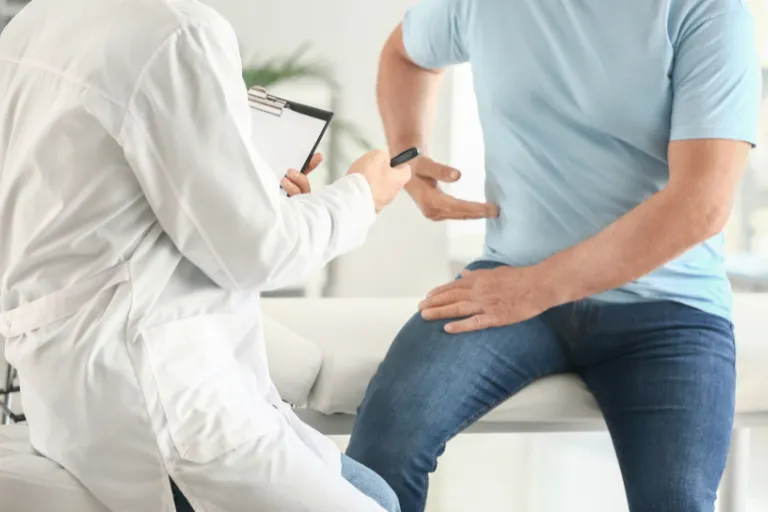
For those curious about prostate massage, the first step should be consulting a licensed health professional. Urologists and pelvic floor specialists can determine whether it’s appropriate, explain safe techniques, and recommend alternatives if needed.
While personal stories and online forums offer anecdotal insights, only professional evaluation can ensure safety and effectiveness.
Conclusion
Prostate massage therapy remains a subject of debate—an intersection of history, science, and cultural stigma. While early evidence suggests it may help with urinary tension and pelvic pain, risks are real, and scientific consensus is not yet strong.
For men exploring options for urinary or sexual health, prostate massage may be one piece of the puzzle, but it should always be approached with caution and professional guidance.
The takeaway: Stay informed, weigh risks and benefits, and partner with a trusted health professional to make the best choices for your well-being.
Your Next Steps
Curious to learn more about safe, science-backed approaches to men’s health?
This blog post aims to be informational and should not replace professional health advice. Always consult with a health professional for personalised advice.
Sources
- Lin W, Wang Y, Chen Y. Efficacy Analysis of Physical Therapy in Treating Chronic Prostatitis: Unblocking Obstructed Glandular Ducts Could Be a Novel Treatment Strategy. Research and Reports in Urology [Internet]. 2023 Dec 1 [cited 2024 Jul 23];15:553–61. Available from: https://typeset.io/papers/efficacy-analysis-of-physical-therapy-in-treating-chronic-1gfjq0y00i
- Wang Q. (230) A NEW TECHNIQUE OF MODIFIED PROSTATE W-POINT MASSAGE. The Journal of Sexual Medicine. 2024 May 12;21(Supplement_6).
- Schneider L, Dansranjav T, Neumann E, Yan H, Pilatz A, Schuppe H, et al. Post‐prostatic‐massage urine exosomes of men with chronic prostatitis/chronic pelvic pain syndrome carry prostate‐cancer‐typical microRNAs and activate proto‐oncogenes. Molecular Oncology. 2022 Nov 2;17(3):445–68.
- Maeda K, Shigemura K, Fujisawa M. A review of current treatments for chronic prostatitis/chronic pelvic pain syndrome under the UPOINTS system. International Journal of Urology. 2023 Feb 14;


Feels good to know it’s not just me—burnout is real and physical.
Love how this breaks it down without all the medical jargon.